
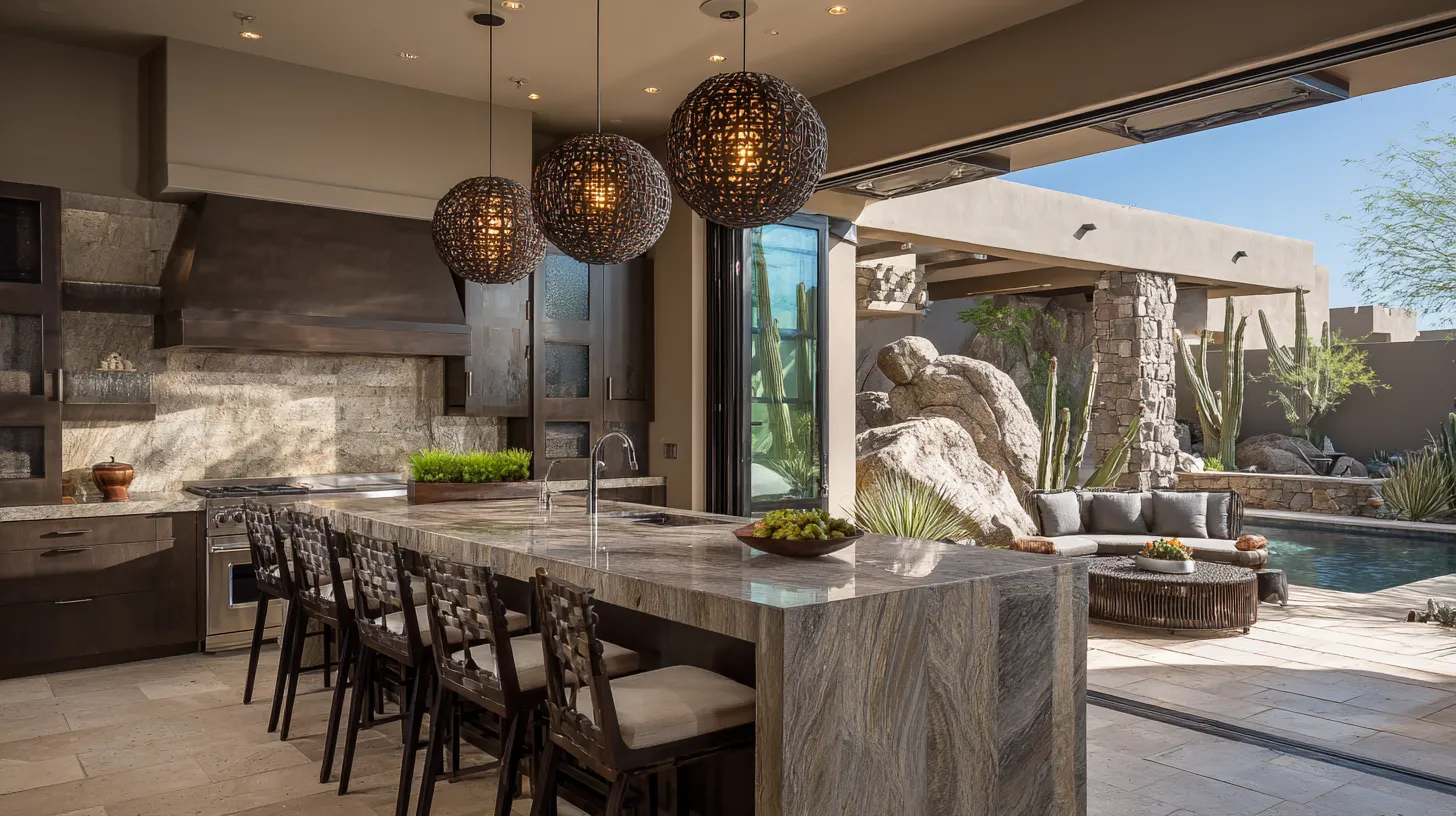
Choosing the right interior designer means finding more than a style match. The best fit understands your project type, works within realistic budget and timing expectations, communicates clearly, and offers a process you can trust. A focused comparison of experience, services, and working style can make the decision much easier.
Define Your Needs Before Interviews
Start by outlining the rooms involved, the level of change, your preferred timeline, and the budget range you can support. Decide whether you need space planning, furnishing, renovation guidance, purchasing, project coordination, or full-service support. Clear priorities help potential designers explain whether the project fits their services. They also make proposals easier to compare because each candidate is responding to the same basic scope.
Look for Relevant Experience
A beautiful portfolio is useful, but relevance matters more than visual appeal alone. Review projects with a similar size, room type, construction complexity, or service level. Ask what responsibilities the designer handled and whether the finished work reflects a consistent process rather than one repeated look. Professional qualifications, references, and familiarity with local contractors or permitting practices may also matter, depending on the project.
Ask How the Process Works
A strong consultation should clarify what happens after hiring. Ask how the designer develops concepts, presents selections, tracks decisions, handles revisions, and communicates during procurement or construction. Confirm which deliverables are included, who will be your main contact, and what decisions will still be yours. The answers should feel organized and specific enough to show how the project will move from ideas to completed rooms.
Understand Fees and Boundaries
Designers may charge flat fees, hourly rates, markups, retainers, or a combination. Request a written explanation of the fee structure, payment schedule, estimated additional costs, and services that fall outside the agreement. Review policies for purchasing, cancellations, delays, substitutions, and scope changes. A clear contract protects both sides and reduces the chance of surprising costs or unclear responsibilities later.
Choose the Best Working Fit
The right designer should listen carefully, explain recommendations without pressure, and be honest about budget or timeline limitations. Consider how quickly and clearly each candidate communicates, whether questions are welcomed, and whether the working relationship feels respectful. Compare the full picture rather than choosing on price or portfolio alone. Relevant experience, a transparent process, clear terms, and mutual trust create the strongest foundation for a successful project.
Disclaimer: The content provided in this article is for informational purposes only and is not intended as financial, tax, or investment advice. JL Coates is not a financial advisor, tax consultant, or investment specialist. We recommend consulting with a professional financial advisor, tax specialist, or investment advisor to discuss your specific circumstances before making any financial, tax, or investment decisions based on this information. JL Coates assumes no responsibility for any actions taken based on the information provided in this article.
