
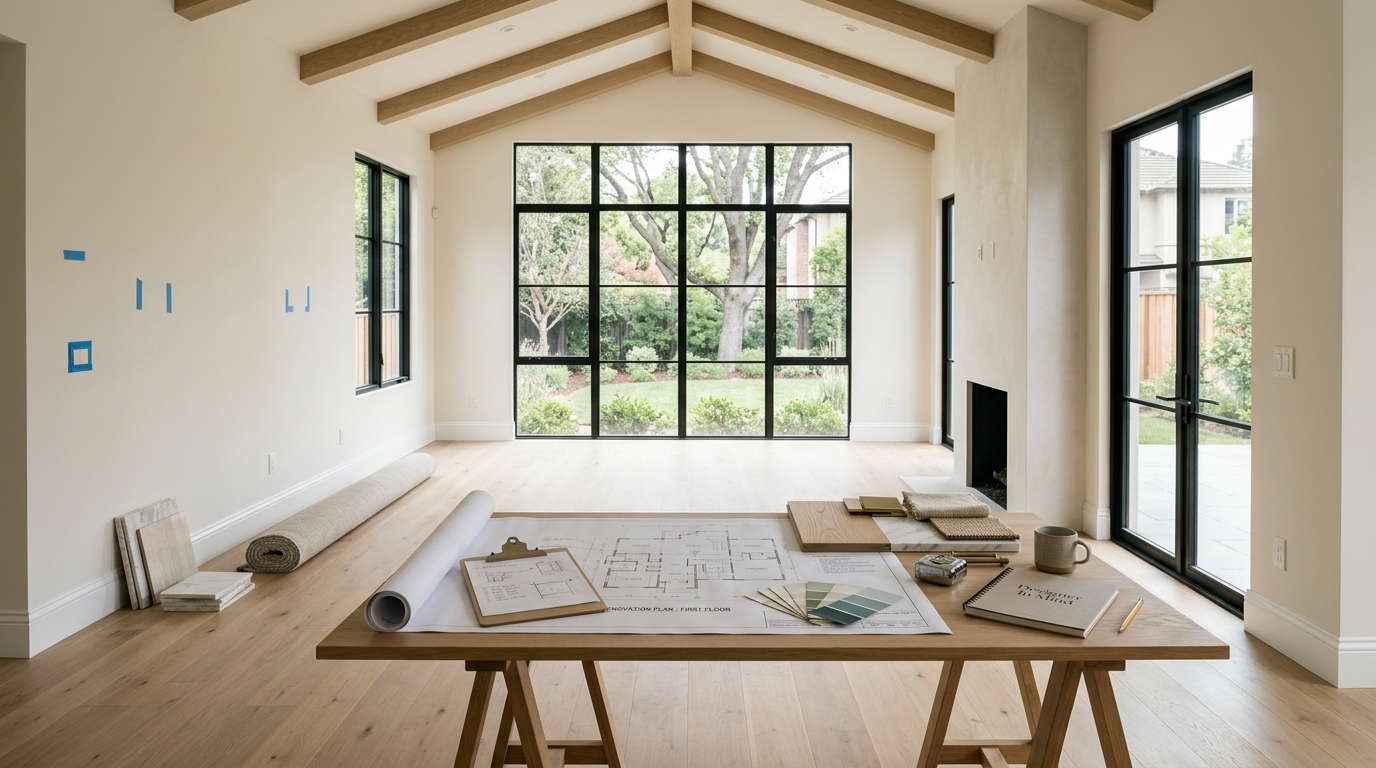

The better choice is not simply to renovate early or wait. It depends on whether the work affects safety, daily function, major disruption, or long-term value. Renovating before moving in can be the stronger decision when the project changes how the home works or would be difficult to complete around daily life. Waiting can be smarter when the best choices depend on how you actually use the rooms, where the home feels inefficient, and which updates will matter most after the first few months.
Start With the Type of Decision You Are Making
A renovation decision becomes easier when you separate necessary work from preference-driven work. Necessary work includes items that affect safety, systems, access, water intrusion, flooring continuity, or a layout problem that makes the home hard to live in. Preference-driven work may still be important, but it often benefits from more observation before money is committed.
The risk of renovating too quickly is that the work can solve the version of the home you imagined during showings, not the version you actually live in. The risk of waiting too long is that major projects become more expensive and disruptive once furniture, routines, and family schedules are in place. A strong plan recognizes both risks and sorts projects by consequence, not emotion.
Work That Is Often Easier Before Move-In
Some updates are cleaner, faster, and less stressful before boxes arrive. Flooring replacement, interior painting, electrical corrections, plumbing repairs, wall removal, asbestos or mold remediation, and major kitchen or bathroom work can interrupt daily life quickly. If the home needs these items and the budget is already available, completing them before move-in may protect your time and reduce the strain of living through construction.
This is especially true when one project affects another. New floors may need to happen before cabinetry adjustments. Electrical work may need to happen before walls are repaired and painted. In those cases, waiting can create a chain of repeated disruption. The question is not whether the work is attractive. The question is whether delaying it will make the project harder, messier, or more expensive later.
Why Waiting Can Lead to Better Choices
Waiting has real value when the update depends on lived experience. A room that seemed too small during the purchase process may work well once furniture is placed correctly. A kitchen that looked dated may function better than expected, while storage, lighting, or circulation becomes the real issue. The first few months in a home can reveal patterns that no showing or inspection can fully predict.
This matters because renovation dollars are limited. Spending heavily before you understand the home can leave less room for the changes that would have improved daily life the most. Waiting gives you time to notice where sunlight falls, how guests enter, where clutter collects, and which rooms carry the most pressure. That information can turn a general wish list into a stronger investment plan.
Let Market Value Shape the Scope
Renovation decisions should also be measured against the home's likely value range. Not every improvement has to produce a dollar-for-dollar return, but the scope should still make sense for the neighborhood, property type, and your expected holding period. A buyer planning to stay for ten years may justify a different level of customization than someone who may sell in three.
Before renovating, look at whether the project improves broad buyer appeal, corrects a real weakness, or mostly reflects personal taste. Projects that improve function, condition, and flexibility usually carry stronger long-term value than highly specific finishes chosen in a rush. The goal is to make the home work better for you without overbuilding beyond what the property can reasonably support.
Financing and Cash Flow Should Set the Pace
The timing question is also a cash-flow question. Buying a home often brings closing costs, moving costs, repairs, furnishing needs, and a new monthly payment all at once. Even when renovation funds are available, using too much of the reserve too quickly can reduce flexibility if an unexpected system issue appears.
A disciplined approach protects both the home and the homeowner. Fund urgent and high-disruption items first, keep a reserve for surprises, and phase discretionary improvements in a way that does not create financial pressure. If financing is part of the renovation plan, understand the terms before committing to a larger scope. A beautiful project can become a weak decision if the payment structure creates stress or limits future options.
Build a Sequence Before You Choose a Side
The strongest answer is often a sequence, not an all-or-nothing decision. Complete the work that is unsafe, highly disruptive, or foundational before moving in. Live with the home before committing to updates that depend on personal routine, furniture layout, or long-term lifestyle fit. Revisit the plan after the first season in the house, when you have better information about comfort, maintenance, and how the property truly functions.
That approach keeps momentum without rushing judgment. It also helps you spend renovation dollars where they create the most practical value. A home does not need every improvement immediately to become a smart purchase. It needs a clear order of decisions, a realistic budget, and the discipline to separate what must happen now from what will be better understood with time.
Disclaimer: The content provided in this article is for informational purposes only and is not intended as financial, tax, or investment advice. JL Coates is not a financial advisor, tax consultant, or investment specialist. We recommend consulting with a professional financial advisor, tax specialist, or investment advisor to discuss your specific circumstances before making any financial, tax, or investment decisions based on this information. JL Coates assumes no responsibility for any actions taken based on the information provided in this article.

