
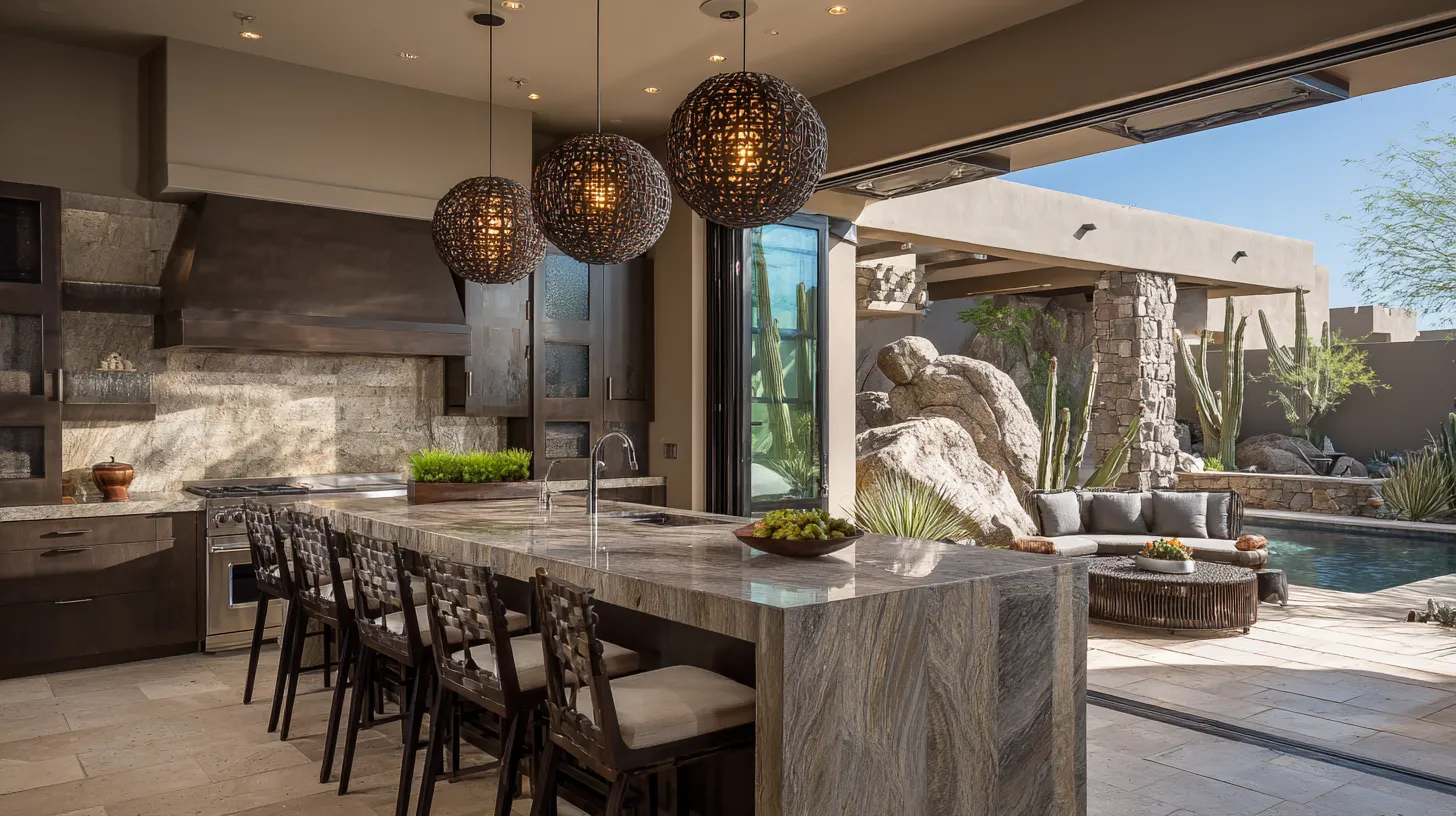
Cabinets should be ordered early enough to protect the kitchen remodel schedule, but not before the design, measurements, appliance plan, and construction details are confirmed. Ordering too soon can lock in mistakes. Ordering too late can delay the entire project.
Confirm the Design First
Cabinet orders should follow a finalized layout, not a rough idea. The plan should account for appliances, plumbing, electrical needs, clearances, storage goals, island size, door swings, and finished dimensions. If the layout changes after the order is placed, the project may face costly revisions, rush decisions, or pieces that no longer fit the space correctly.
Measure at the Right Moment
Accurate measurements are critical. In some remodels, field measurements can happen before demolition. In others, final measurements may need to wait until walls, floors, or framing conditions are exposed. The right timing depends on the condition of the home and the type of cabinetry being ordered. A design team or contractor can help determine when measurements are reliable enough.
Build in Lead Time
Cabinet lead times vary based on whether the cabinets are stock, semi-custom, or custom. Production, finishing, shipping, delivery, and inspection all take time. Even when a supplier gives an estimated delivery window, the remodel schedule should include some cushion. Cabinets often need to arrive before countertops can be templated, so a late cabinet order can affect several later trades.
Coordinate Appliances and Finishes
Cabinets connect to many other kitchen decisions. Appliance specifications, sink size, faucet placement, hardware, lighting, flooring, backsplash, and countertop material can all affect dimensions or installation order. Ordering cabinets before these decisions are coordinated can create avoidable gaps between the design intent and the finished result.
Order When the Plan Is Ready
Cabinet ordering should happen after the key decisions are coordinated and before the jobsite schedule depends on them. That balance is the point. The safest approach is to finalize the design, confirm measurements, align appliances and finishes, then place the order with enough lead time to support installation and protect the finished kitchen. This timing also gives the contractor and installers clearer information before the kitchen is taken apart.
Disclaimer: The content provided in this article is for informational purposes only and is not intended as financial, tax, or investment advice. JL Coates is not a financial advisor, tax consultant, or investment specialist. We recommend consulting with a professional financial advisor, tax specialist, or investment advisor to discuss your specific circumstances before making any financial, tax, or investment decisions based on this information. JL Coates assumes no responsibility for any actions taken based on the information provided in this article.
