
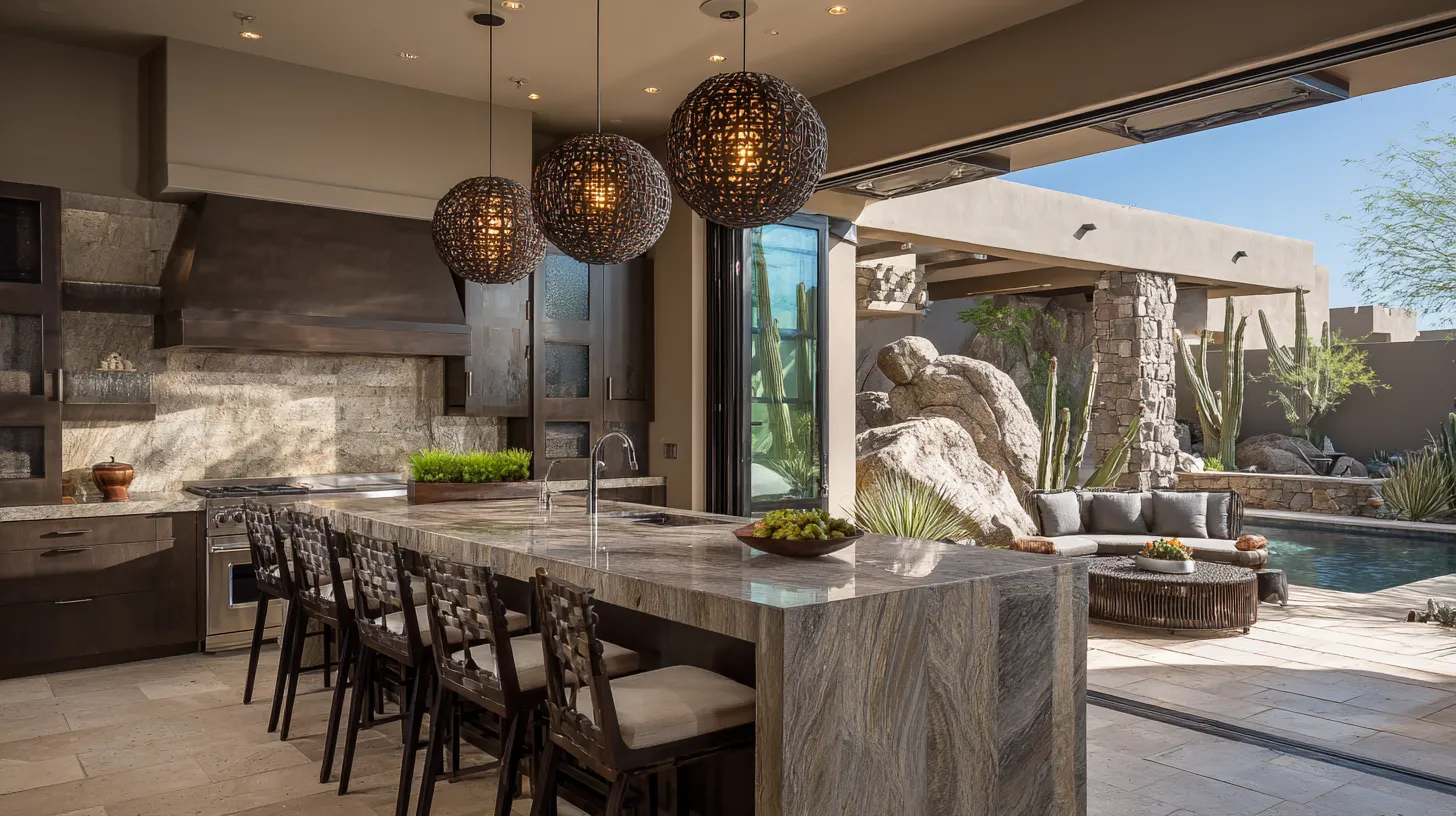
The most common interior design mistakes happen when individual purchases are made without considering the room as a whole. Good results depend on scale, function, lighting, and a consistent visual direction. Avoiding a few predictable errors can make a home feel more comfortable, balanced, and intentional.
Buying Before Measuring
Furniture can look appropriately sized in a showroom or online and still overwhelm a room. Measure wall lengths, doorways, ceiling height, and circulation paths before ordering. Marking major pieces on the floor with painter's tape helps reveal how much space they will occupy. Include clearance for drawers, cabinet doors, dining chairs, and walkways so the finished room remains easy to use.
Ignoring Scale and Proportion
Rooms feel unsettled when every item is the same size or when one piece dominates without support. Pair a large sofa with a substantial coffee table and artwork that relates to the wall around it. Avoid scattering many undersized accents across a large room. A varied but connected mix of sizes creates rhythm while keeping the composition visually balanced.
Relying on a Single Light Source
One overhead fixture rarely provides enough flexibility. Layer ambient lighting for general visibility, task lighting for reading or food preparation, and accent lighting to give important surfaces depth. Consider bulb color temperature and brightness across the room so fixtures work together. Planning outlets and switches early also prevents cords and lamps from becoming awkward afterthoughts.
Choosing Color and Materials in Isolation
Paint, flooring, stone, wood, and fabric change throughout the day as natural and artificial light shifts. Small samples viewed in a store cannot show how materials will interact at home. Test paint on more than one wall and place finish samples beside existing elements. Compare everything in morning and evening light before committing to large quantities.
Prioritizing Trends Over Daily Life
A fashionable room can fail when it does not support the people who use it. Before selecting finishes, identify storage needs, traffic patterns, pets, maintenance expectations, and the activities the room must accommodate. Use trends as accents rather than the foundation of every decision. The strongest interiors combine practical planning with a clear point of view, creating spaces that remain useful, cohesive, and comfortable long after a trend passes.
Disclaimer: The content provided in this article is for informational purposes only and is not intended as financial, tax, or investment advice. JL Coates is not a financial advisor, tax consultant, or investment specialist. We recommend consulting with a professional financial advisor, tax specialist, or investment advisor to discuss your specific circumstances before making any financial, tax, or investment decisions based on this information. JL Coates assumes no responsibility for any actions taken based on the information provided in this article.
