
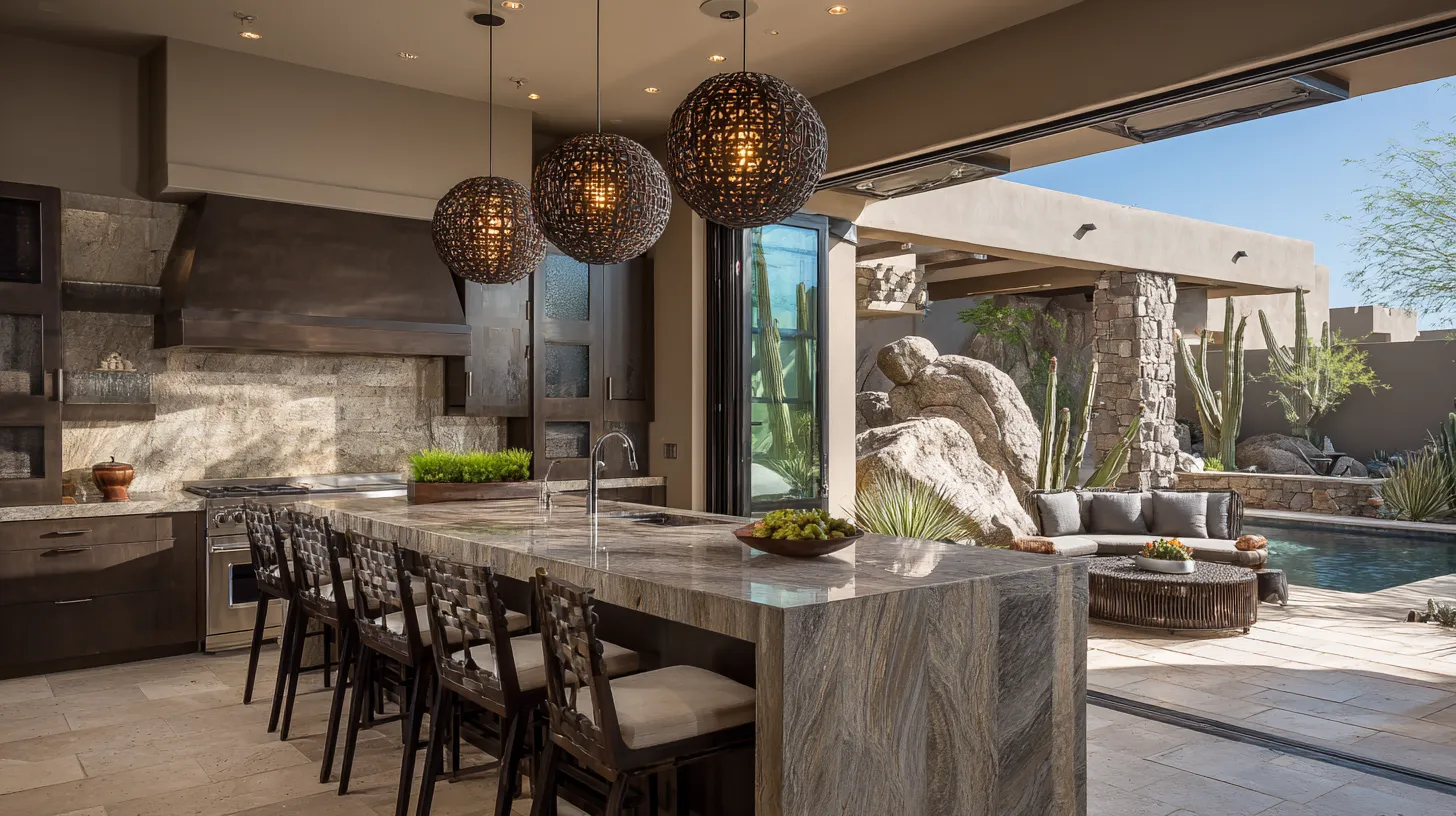
A mood board is a curated visual summary of how a space should look and feel. It gathers color, material, furniture, lighting, and texture direction in one place so everyone agrees on the overall concept before specific products are chosen, priced, or ordered. It is a tool for alignment, not a final specification.
What Does a Mood Board Usually Include?
Most mood boards combine a color palette, material and finish samples such as wood, stone, tile, metal, and fabric, and a clear sense of furniture shapes and lighting style. Textures matter as much as colors, because a matte plaster wall and a glossy tile can share a color yet create very different rooms. A few inspiration images set the overall atmosphere. A strong board is edited down to a limited set of ideas so the direction reads clearly instead of as a collage of everything that looked appealing.
Digital Board or Physical Sample Board?
A digital board is quick to revise and easy to share, which makes it useful for exploring direction early. Its limit is accuracy: screens shift color and flatten grain, sheen, and texture. A physical sample board uses real swatches, paint chips, and tiles that can be touched and viewed in the room's own light at different times of day. Many projects use both, starting digital to agree on direction and moving to physical samples before finishes are confirmed.
Where Does a Mood Board Fit in the Design Process?
The mood board belongs at the very beginning, during the concept stage that comes before detailed drawings. It sets the direction that later phases refine. As the project moves from broad schematic ideas into more detailed design development, the loose palette becomes specific products. Those decisions are eventually recorded in a finish schedule that lists each material, finish, and location for the contractor. A board that is settled early makes each of those later steps faster.
How Can Homeowners Give Clear Feedback?
Useful feedback is specific. Instead of saying a board feels off, point to the element causing the reaction, such as a wood tone that reads too orange or a fabric that seems too formal for daily use. Note what feels right as well, since that shows what to protect. Mention practical realities like pets, strong sun exposure, or cleaning habits. Reviewing physical samples in the actual room, in both daylight and evening light, helps catch surprises before selections are finalized.
Why a Mood Board Is Worth the Time
A mood board turns personal taste into a shared reference point. It reduces guesswork, keeps later decisions consistent, and makes changes inexpensive because they happen early rather than after materials arrive. Approached as a conversation tool, it helps a project start with clarity and stay true to its original intent.
Disclaimer: The content provided in this article is for informational purposes only and is not intended as financial, tax, or investment advice. JL Coates is not a financial advisor, tax consultant, or investment specialist. We recommend consulting with a professional financial advisor, tax specialist, or investment advisor to discuss your specific circumstances before making any financial, tax, or investment decisions based on this information. JL Coates assumes no responsibility for any actions taken based on the information provided in this article.
