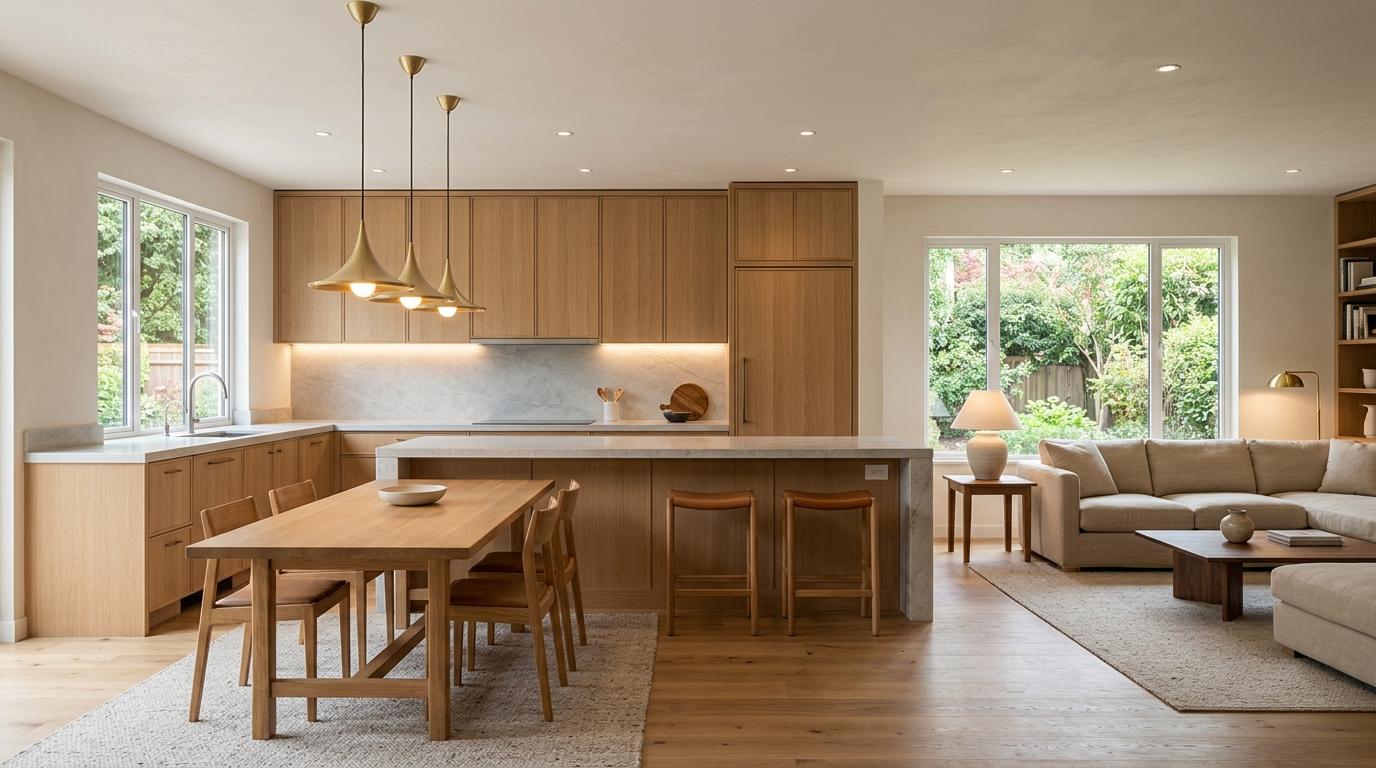
The right choice depends on whether the room still functions well. If the layout, systems, storage, and main surfaces are sound, a design refresh can often create a meaningful change without the cost and disruption of construction. If the room no longer supports how you live, work, entertain, or move through the space, a full remodel is usually the more responsible investment. The mistake is treating every tired room as cosmetic, or every frustration as a reason to rebuild. A good decision starts by separating appearance problems from performance problems.
Start With What Is Actually Not Working
Before choosing a refresh or remodel, identify the specific problem the room needs to solve. A room that feels dated, flat, or visually disconnected may need new furnishings, lighting, color, window treatments, or art. A room that has poor circulation, inadequate storage, uncomfortable proportions, failing finishes, or awkward built-ins is telling you something deeper. I like to look at the friction points first because they reveal whether the issue is design expression or physical function. If the room works well but no longer feels current, refresh it. If the room repeatedly gets in the way of daily use, remodel planning deserves serious consideration.
When a Design Refresh Is the Smarter Move
A refresh is strongest when the bones of the room are good. This may mean the floor plan works, the cabinetry or major surfaces are serviceable, the lighting locations are acceptable, and the room already supports the way you use it. In that case, strategic changes can make the space feel considered again. Paint, textiles, rugs, updated furnishings, decorative lighting, styling, and carefully selected finishes can shift the entire mood without opening walls. The key is discipline. A refresh should not become a string of disconnected purchases. It still needs a clear concept, proper scale, and a plan for what stays, what changes, and what should not be touched.
When a Full Remodel Is Worth the Investment
A remodel becomes the better choice when the room has structural, spatial, or performance limitations that styling cannot solve. Kitchens with poor work zones, bathrooms with bad clearances, living areas with weak traffic flow, and commercial spaces that do not support client experience often need more than surface updates. A remodel can correct the layout, improve lighting infrastructure, upgrade materials, address code or construction issues, and create a longer-lasting result. It costs more because it solves more. When the existing room forces compromises every day, spending lightly on a refresh can become a delay rather than a solution.
Watch for the Expensive Middle Ground
The riskiest path is a refresh that tries to compensate for remodel-level problems. Replacing furnishings in a room with the wrong layout may make the room prettier, but it will not make it work better. Installing new counters over cabinetry that is poorly configured may feel efficient at first, then limit the future remodel. On the other side, remodeling a room that only needed design clarity can waste budget and create unnecessary disruption. The best planning protects the investment by matching the scope to the problem. Spend where the change will improve use, durability, and long-term satisfaction.
Consider Timeline, Disruption, and Decision Load
A refresh is usually faster and less disruptive, but it still requires decisions about scale, finish coordination, lead times, and installation order. A remodel carries a larger timeline because it involves drawings, construction coordination, trades, permits when required, demolition, and more layered decisions. Neither path should be treated casually. The real question is how much disruption is justified by the improvement you need. If the room must be ready for a near-term event or seasonal use, a refresh may be the right interim strategy. If the room is central to daily life and fundamentally underperforming, a longer remodel process may be worth planning properly.
Use Budget as a Strategy, Not a Starting Guess
Budget should clarify scope instead of forcing guesswork. For a refresh, the budget needs to cover enough visible change to feel intentional, not just one or two isolated upgrades. For a remodel, the budget must account for design, materials, labor, contingencies, and the realities that come with opening up a space. A lower budget does not automatically mean refresh, and a higher budget does not automatically mean remodel. The better question is which scope gives you the strongest return for the room you actually have. Sometimes the wise investment is restraint. Sometimes it is finally correcting the issue at its source.
Make the Decision Before You Start Buying
The clearest decision comes before purchases begin. Evaluate the room honestly, define the functional problems, decide what level of disruption is acceptable, and then align the design plan with that scope. A refresh should make a good room feel renewed and cohesive. A remodel should solve deeper problems with enough care that the result lasts. When the scope matches the real issue, the finished room feels less like a compromise and more like a thoughtful investment in how the space actually needs to perform.
Disclaimer: The content provided in this article is for informational purposes only and is not intended as financial, tax, or investment advice. JL Coates is not a financial advisor, tax consultant, or investment specialist. We recommend consulting with a professional financial advisor, tax specialist, or investment advisor to discuss your specific circumstances before making any financial, tax, or investment decisions based on this information. JL Coates assumes no responsibility for any actions taken based on the information provided in this article.