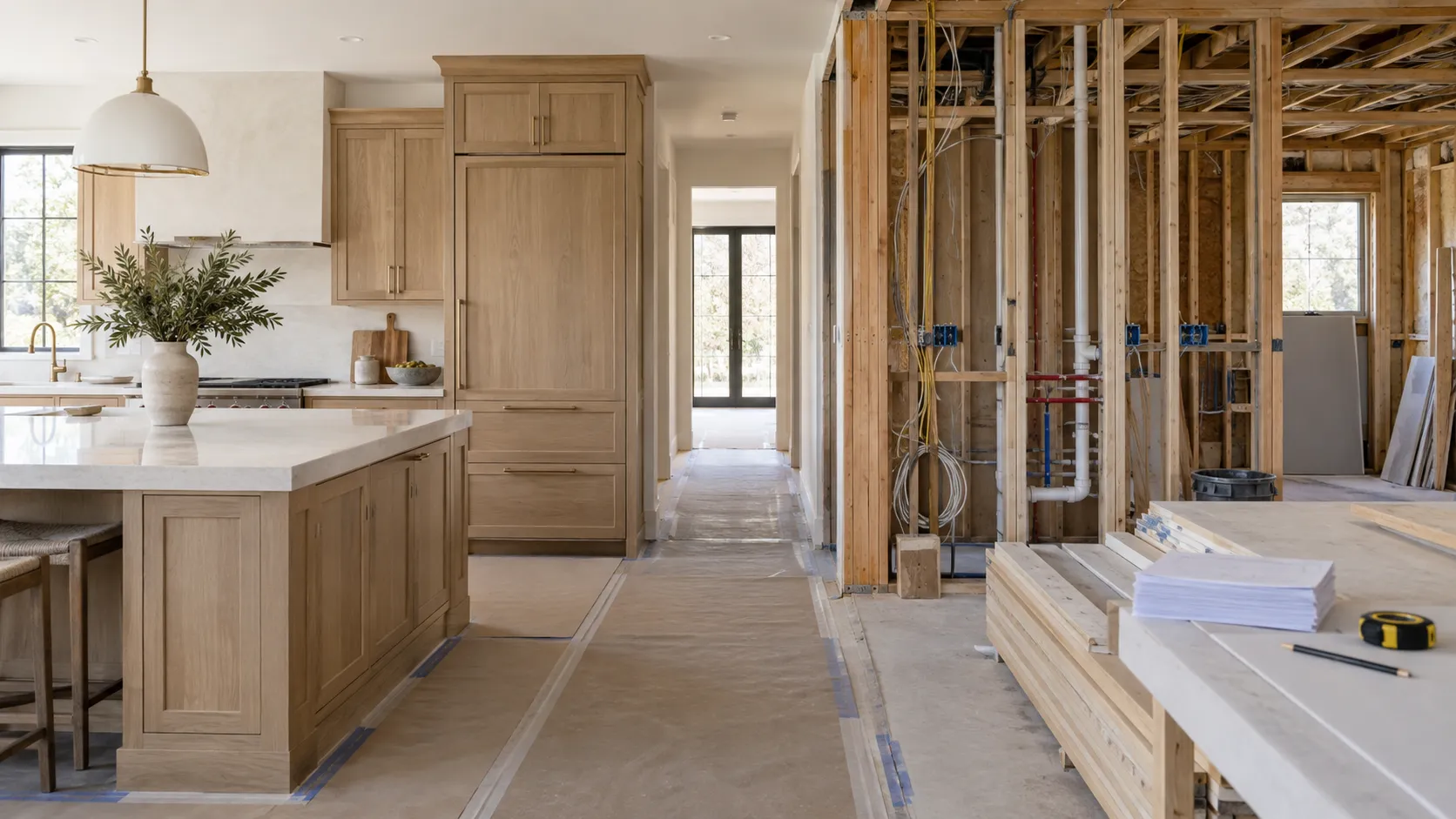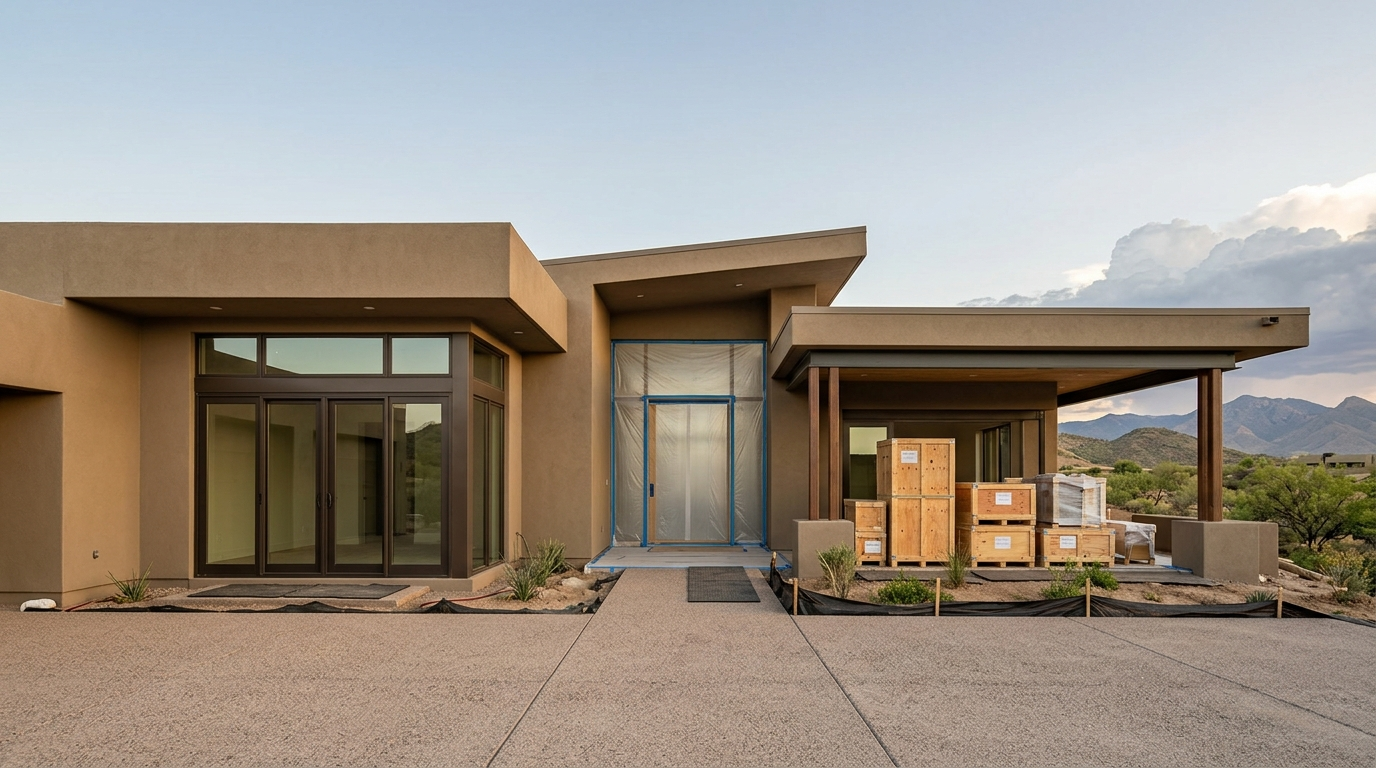

Arizona homeowners should choose a remodel start date by working backward from project readiness, not by picking a favorite month first. A dependable start comes after the design is sufficiently resolved, the permit path is understood, critical materials can support the sequence, and the contractor has real capacity. Seasonal conditions still matter, but they should shape the construction plan rather than substitute for one.
Treat the Start Date as a Readiness Decision
A proposed start date is useful for planning, but it should remain provisional until the conditions that support it are in place. Starting demolition while drawings are incomplete, permits are unresolved, or major materials are unconfirmed transfers uncertainty into the most expensive phase of the project.
A stronger schedule separates preconstruction from construction. Preconstruction includes design development, pricing, permit coordination, selections, procurement planning, and trade scheduling. Construction begins when those pieces are aligned well enough for work to continue in sequence. That distinction may move the first day on site, but it reduces the chance of opening the house and then waiting for answers.
Finish the Decisions That Control the Work
The design does not need every decorative detail finalized before a start date is discussed, but it does need the decisions that affect structure, utilities, dimensions, and rough-in locations. Cabinet layouts, appliance specifications, plumbing locations, lighting plans, door and window sizes, and finish thicknesses can all change what trades build behind the walls.
Late decisions do more than delay purchasing. They can force framing changes, revised permit drawings, relocated electrical work, or substitutions that weaken the original intent. Homeowners should ask which decisions control permits, pricing, fabrication, and the first several weeks of construction. Those are the decisions to resolve first.
Build Permit Review Into the Schedule
Permit requirements depend on the scope and the local jurisdiction. A cosmetic project may follow a different path from work involving wall removals, additions, plumbing relocations, electrical changes, structural engineering, grading, or historic review. Plan review may also produce corrections that must be answered and resubmitted before a permit can be issued.
The schedule should therefore include time to assemble a complete submittal, respond to comments, and receive the issued permit. A review estimate is planning information, not a guaranteed start date. The contractor should not mobilize permit-dependent work until the team has confirmed what approvals are required and that the approved documents match the scope being built.
Release Long-Lead Items Before They Become Delays
Cabinetry, windows, exterior doors, appliances, specialty plumbing fixtures, tile, lighting, and custom metalwork can control when a remodel can move from one phase to the next. A product is not truly covered by the schedule just because it has been selected. The team needs approved dimensions, a released order, a realistic delivery window, and a plan for inspection and storage.
Not every item has to be on site before demolition. The important question is whether missing items could stop dry-in, rough-ins, cabinet installation, waterproofing, or finish work. When a critical item is uncertain, the team should either delay the affected start, resequence the work responsibly, or approve a suitable alternative before the house is opened up.
Confirm Contractor Capacity, Not Just Availability
A contractor may have an opening on the calendar without having the full project team ready. A credible start requires supervision, key trade partners, and procurement responsibilities to be coordinated around the actual scope. If the electrician, plumber, cabinet installer, or fabricator cannot support the planned sequence, an early demolition date creates activity without dependable progress.
Homeowners should ask what has to happen between contract signing and mobilization, which trade dates are confirmed, who owns permit and purchasing tasks, and how the schedule will be updated. The best contractor start is not necessarily the earliest offer. It is the date backed by a realistic plan for continuous, coordinated work.
Plan Around Arizona Conditions Without Chasing a Perfect Season
Arizona does not have one universally ideal remodeling season. In the lower desert, extreme summer heat can affect exterior labor, roofing, concrete work, equipment, temporary cooling, deliveries, and daily production. From June 15 through September 30, monsoon conditions can add high winds, dust, lightning, intense rain, and flash-flood risk. Northern and higher-elevation communities face different winter temperatures, snow, and access concerns.
Interior work can still proceed in any season when the building is protected and the sequence fits the conditions. Exterior openings, roof work, site drainage, material storage, and temporary weather protection deserve extra planning. Cooler months may feel attractive, but demand for contractors and trades can also be tighter. The right season is the one the team is prepared to manage.
Work Backward From Real-Life Constraints
A target completion date can help organize the plan, but it should include design, permitting, procurement, construction, inspections, corrections, and contingency. A major holiday, move-in, school schedule, or seasonal absence is not a workable deadline unless the full schedule supports it.
Occupancy matters too. Living in the home may require temporary kitchen, bathroom, access, dust-control, security, or climate-control plans. Moving out can create rent, storage, and travel costs if the schedule shifts. Work backward from the date that matters, identify what must be true at each milestone, and decide how much flexibility the household actually has before committing to a start.
Use a Start Gate Before Construction Begins
Before construction begins, hold a start-gate review with the homeowner, contractor, and design team. Confirm that the current drawings and specifications are the set everyone will use, required permits are issued or clearly timed, critical orders are released, responsibilities are assigned, trade sequencing is credible, and protection plans fit the season and occupied conditions.
If one of those items is unresolved, the answer is not always to postpone the entire project. The team may be able to complete investigation, selective early work, or off-site fabrication without disrupting the main sequence. The goal is to avoid calling the project started when it is not ready to keep moving. A well-chosen start date protects time, budget, communication, and the finished design together.
Disclaimer: The content provided in this article is for informational purposes only and is not intended as financial, tax, or investment advice. JL Coates is not a financial advisor, tax consultant, or investment specialist. We recommend consulting with a professional financial advisor, tax specialist, or investment advisor to discuss your specific circumstances before making any financial, tax, or investment decisions based on this information. JL Coates assumes no responsibility for any actions taken based on the information provided in this article.