
A remodel budget should stretch where the choice affects daily function, long-term durability, spatial balance, or the parts of the home that are expensive to change later. It can usually pull back on easily replaced finishes, decorative layers, and upgrades that do not improve how the room works or how well the design holds together.
Start With the Decisions That Shape the Room
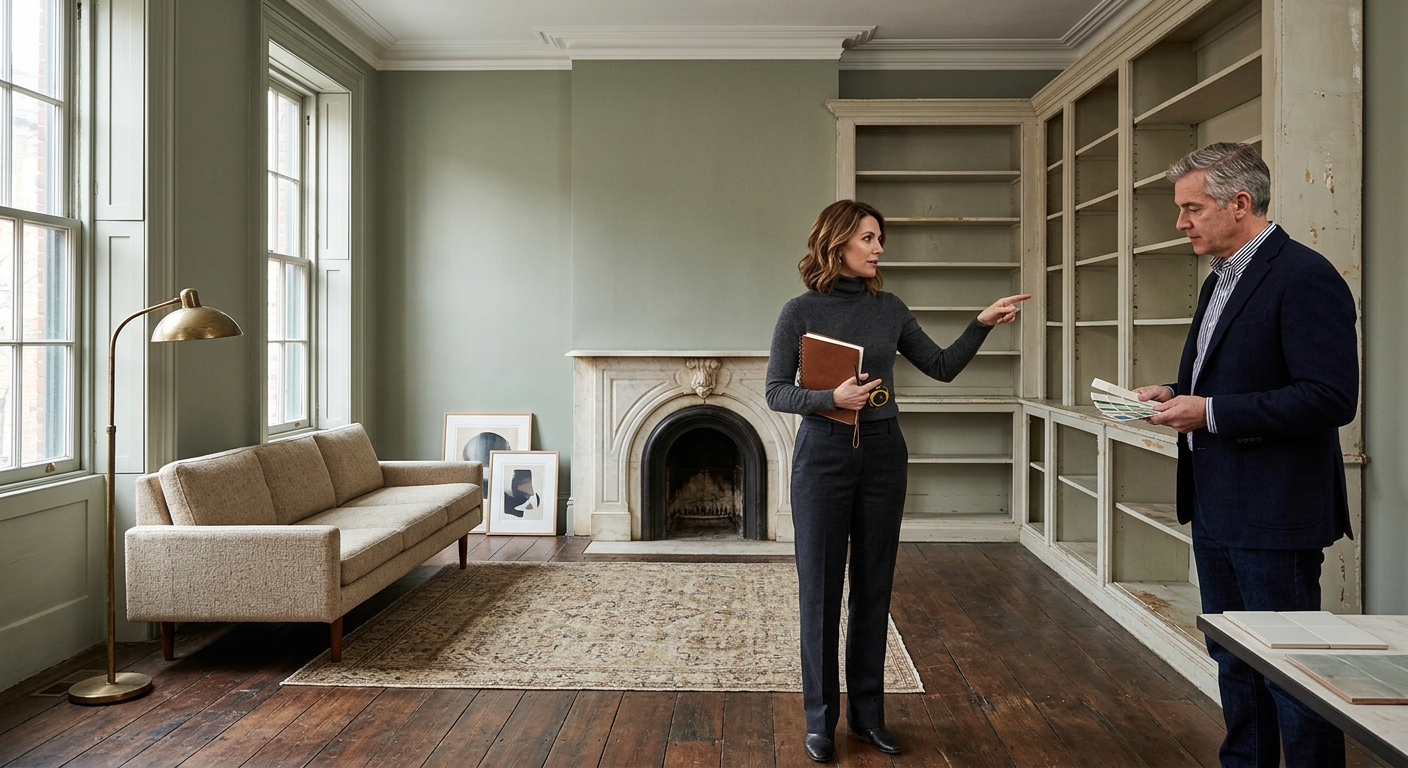
The strongest remodel budgets begin with hierarchy. Before choosing finishes, separate the decisions that shape the room from the decisions that simply dress it. Layout, cabinetry placement, lighting locations, plumbing moves, flooring transitions, and built-in storage tend to have long-term consequences. They determine whether a kitchen cooks well, whether a bathroom feels calm, or whether a main living space has natural flow.
That is where the budget often deserves more protection. When these foundational choices are rushed or underfunded, the room may look finished for a moment but still feel awkward in use. A beautiful surface cannot fully correct a poor circulation path, a shallow vanity, or lighting that misses the places where people actually stand.
Stretch for Function You Will Feel Every Day
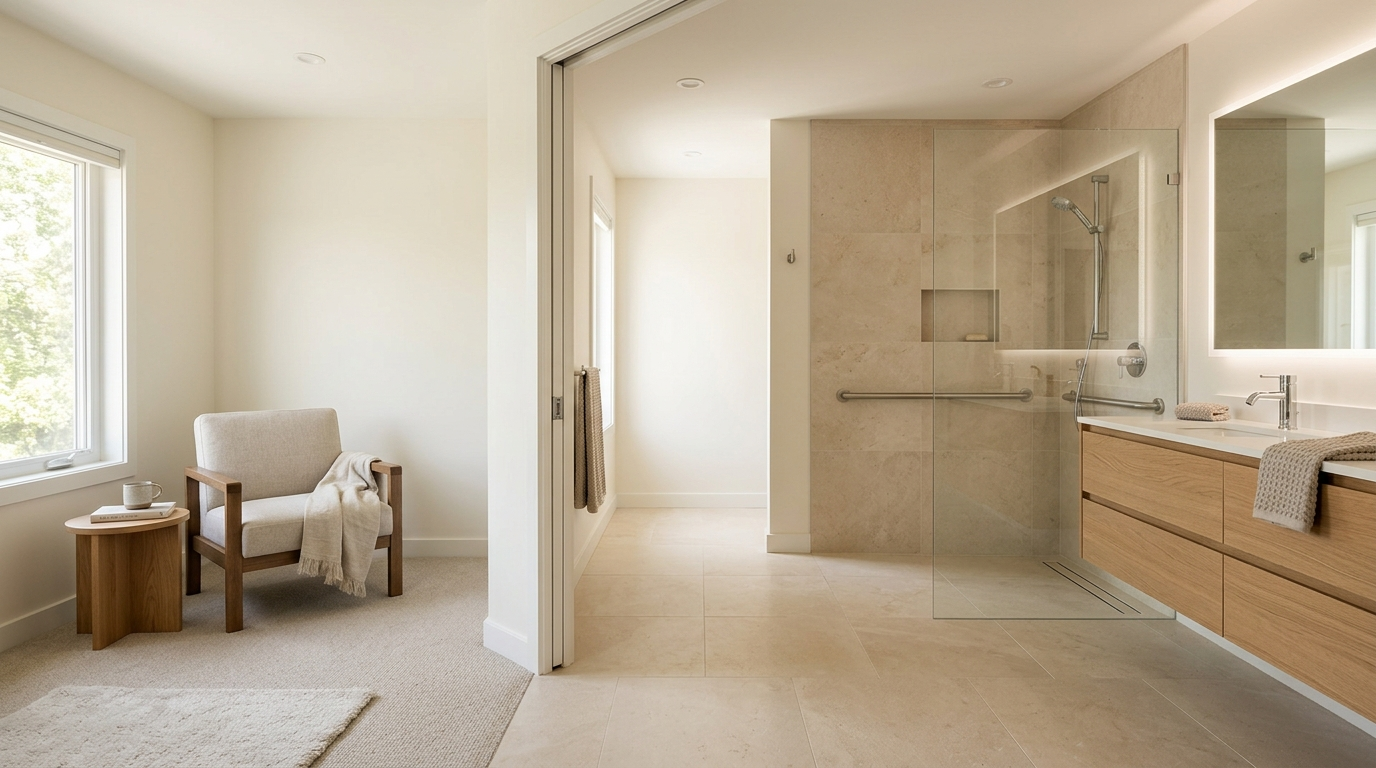
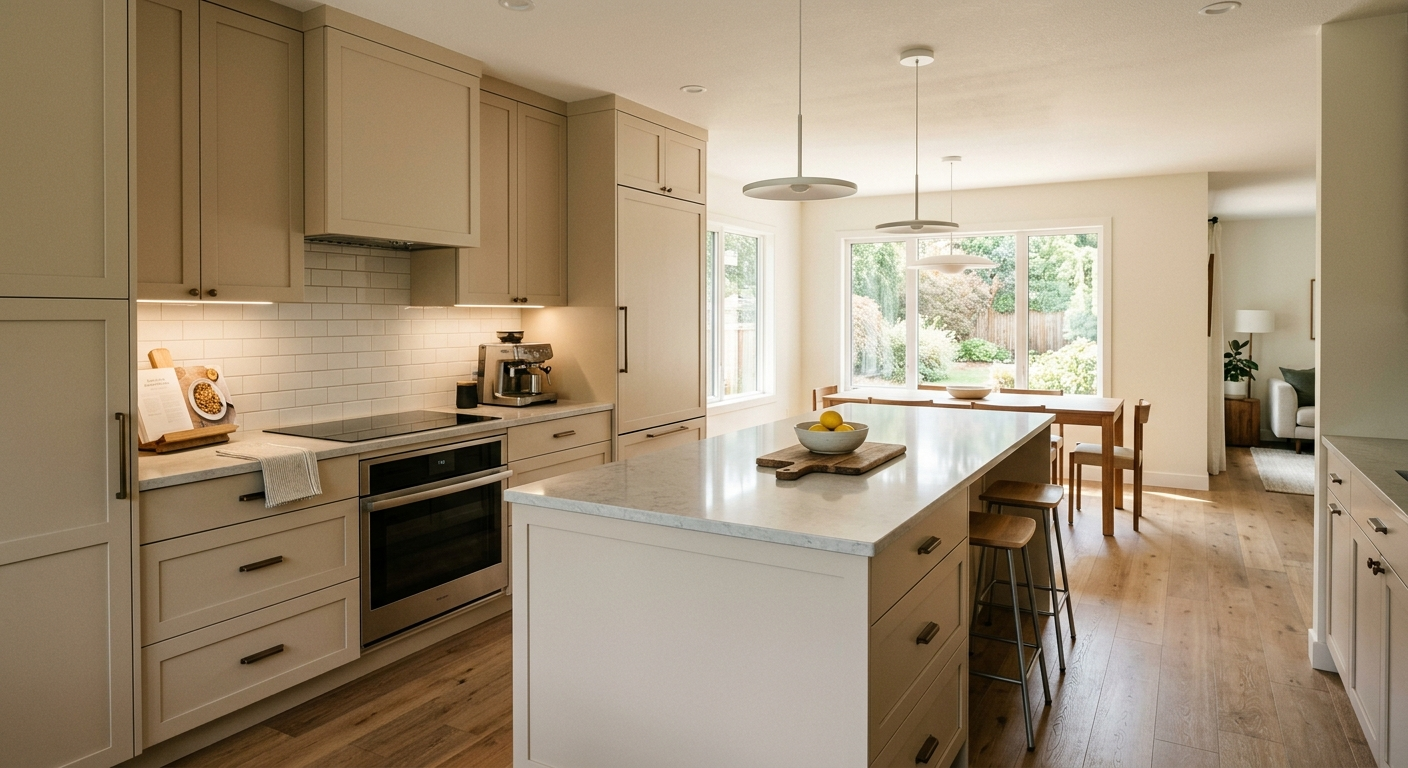
Stretch the budget where the investment improves how the space works every day. In a kitchen, that may mean better cabinet construction, a more useful work triangle, enough drawers, or task lighting that supports cooking instead of only adding atmosphere. In a bathroom, it may mean proper waterproofing, a well-scaled shower, good ventilation, and fixtures that feel comfortable to use.
These choices are not always the most visible in a photograph, but they are the ones homeowners experience constantly. They also tend to be expensive to repair later because they sit behind walls, under surfaces, or inside fixed millwork. If a decision affects daily movement, comfort, safety, or maintenance, it deserves careful spending.
Protect the Choices That Create Visual Balance
Some upgrades earn a larger share of the budget because they hold the design together visually. Flooring that runs cleanly from one space to another, cabinetry proportions that suit the room, and lighting that balances focal points can make a remodel feel composed rather than pieced together. These are not just aesthetic choices; they create the structure that lets the whole room feel resolved.
The tradeoff is that these items may not feel as exciting as a statement tile or dramatic fixture. Still, they often do more for the final result. A well-proportioned cabinet elevation with quiet hardware can feel more timeless than a room that spends heavily on one showpiece but neglects scale, alignment, and overall composition.
Pull Back Where Change Is Simple
The budget can often pull back on elements that are easy to update without disturbing the larger room. Decorative lighting, cabinet hardware, mirrors, paint, accessories, and some furniture pieces can be meaningful, but they do not always need the highest-tier choice. If the room has good bones, restrained secondary choices can still look intentional.
This does not mean choosing carelessly. Pulling back works best when the lower-cost option supports the design language instead of fighting it. A simple, well-scaled mirror is better than an ornate one that feels out of proportion. A clean midrange faucet can be stronger than an expensive fixture in the wrong finish or shape.
Judge Materials by Permanence and Wear
Materials deserve a practical test before they receive a larger budget share. Ask whether the surface will take daily wear, whether it is difficult to replace, and whether it contributes to the main feeling of the room. Countertops, flooring, tile installation, and exterior-facing elements often justify more investment because they carry both visual weight and physical use.
By contrast, a specialty finish used in a small, low-contact area may be a good place to pull back if the same visual effect can be achieved more quietly. The goal is not to make every surface expensive. The goal is to let the most permanent and hardworking materials set the quality level, while the supporting materials stay coherent and controlled.
Use Restraint as a Design Tool
A remodel budget should not be spread evenly across every line item. Even spending can produce an oddly flat result, where nothing is truly strong and nothing has been simplified enough to give the project discipline. A better budget has rhythm: a few protected investments, several well-chosen midrange decisions, and a handful of intentional savings.
This is where design judgment matters. If the layout is strong, the lighting is planned, the permanent materials are sound, and the proportions feel right, the room can absorb simpler decorative choices. If those fundamentals are weak, expensive finishing touches will have to work too hard. The most successful remodel budgets stretch where the decision shapes the life and structure of the room, then pull back where restraint will still look deliberate.
Disclaimer: The content provided in this article is for informational purposes only and is not intended as financial, tax, or investment advice. JL Coates is not a financial advisor, tax consultant, or investment specialist. We recommend consulting with a professional financial advisor, tax specialist, or investment advisor to discuss your specific circumstances before making any financial, tax, or investment decisions based on this information. JL Coates assumes no responsibility for any actions taken based on the information provided in this article.