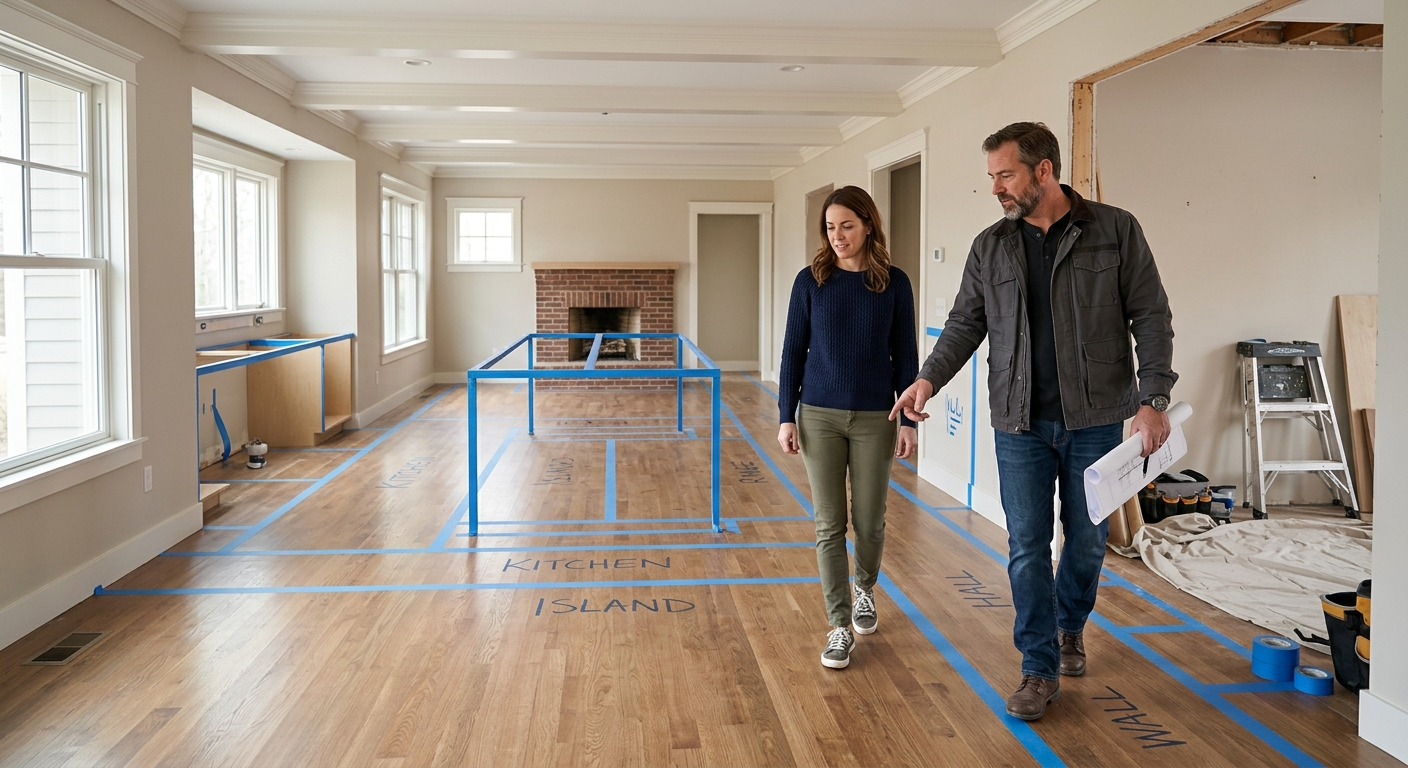

The best way to phase a home remodel is to plan the full project first, then break construction into logical stages that protect budget, schedule, and livability. Phasing can make a large remodel more manageable, but it only works well when each stage supports the next one instead of creating rework later.
Start With the Full Scope
A phased remodel should not begin with one isolated room and a vague plan for the rest of the house. It should begin with a clear understanding of the full scope, even if the work will happen over months or years. That means identifying which spaces will be touched, what systems may need upgrades, and where finished materials need to stay consistent.
When the full picture is clear, each phase can be designed with the next phase in mind. This protects design intent and prevents decisions in one area from limiting what can happen later.
Group Work by Systems, Not Just Rooms
Homeowners often think about phasing by room: kitchen first, primary bath later, then maybe flooring. Construction does not always divide that cleanly. Plumbing, electrical, HVAC, flooring, framing, and cabinetry can cross room boundaries, which means the smartest phase may be based on systems instead of spaces.
For example, if flooring will eventually run through several rooms, replacing only one section may create transitions that need to be removed later. Good phasing looks at how trades move through the house and where shared systems make combined work more efficient.
Protect the Areas Still in Use
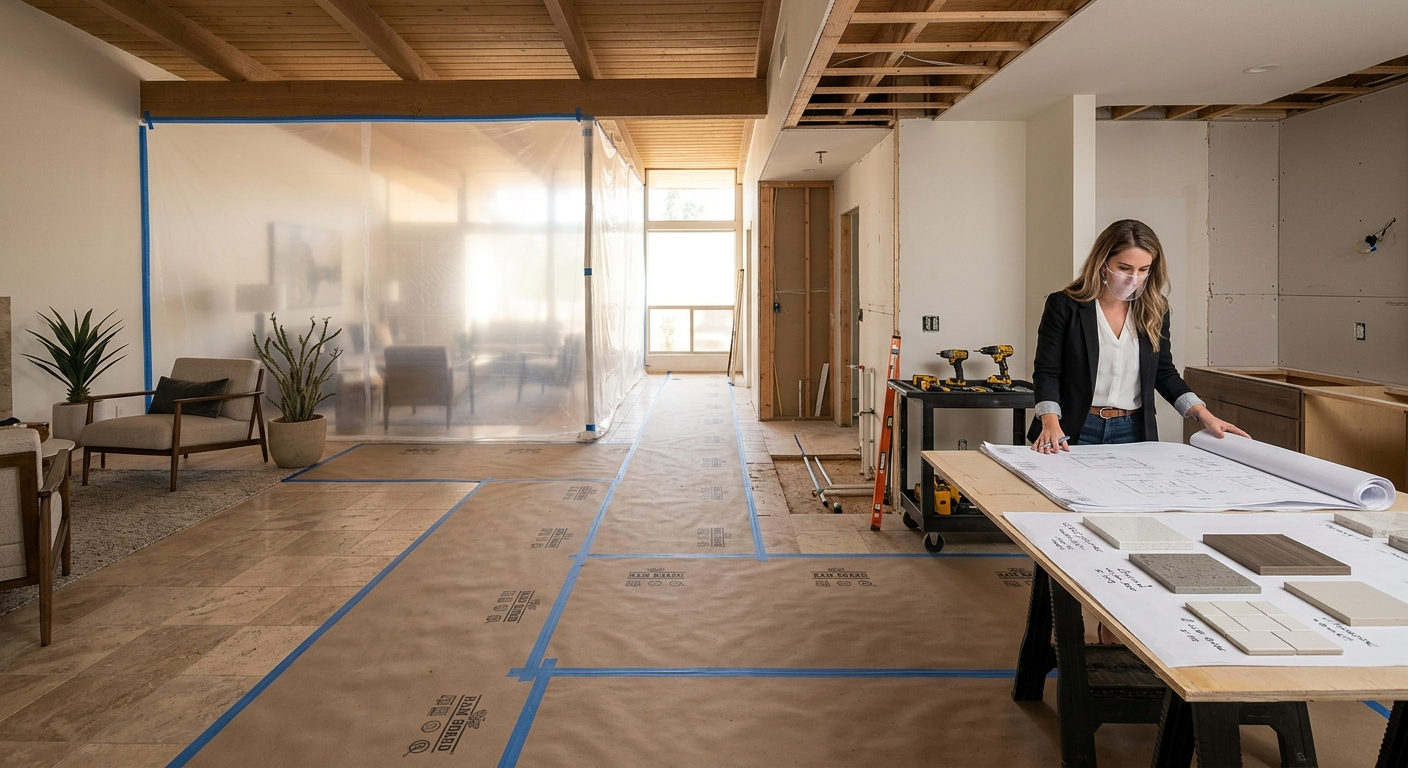
A phased remodel usually means part of the home remains occupied while another part is under construction. That changes the planning. Dust control, access paths, temporary storage, bathroom availability, kitchen function, child or pet safety, and parking all need to be considered before demolition begins.
This is not just about comfort. When the lived-in areas are not protected, the project becomes harder to manage and communication gets strained. Clear site boundaries help the construction team work efficiently while giving the household a more predictable way to live through the process.
Separate Needs From Nice-to-Haves
Phasing works best when the first stage handles the work that creates the most risk if delayed. That may include structural repairs, water intrusion, outdated electrical, failing plumbing, poor layout issues, or spaces the household relies on every day. Decorative upgrades can often wait, but hidden infrastructure problems usually should not.
This is where honest budget planning matters. A lower-cost first phase is not helpful if it leaves behind work that will force finished surfaces to be opened later. The stronger plan protects the bones of the project before investing heavily in visible polish.
Plan Lead Times Before Each Phase
Cabinets, specialty tile, plumbing fixtures, appliances, lighting, windows, doors, and custom pieces can all affect the timing of a phase. If those decisions are made after construction starts, the schedule can stall or the team may be pushed into substitutions that weaken the intended result.
For a phased remodel, selections should stay ahead of the work. Even if a later phase is not starting yet, key materials may need to be identified early so dimensions, rough-ins, and finish transitions are coordinated correctly. Waiting can make separate phases feel cheaper at first, then more expensive later.
Watch the Handoffs Between Phases
The space between phases is where many remodels lose clarity. One team may finish a portion of work, then months pass before the next stage begins. If drawings, specifications, measurements, photos, finish schedules, and field notes are not kept current, the next phase can start with avoidable confusion.
Good phasing depends on clean handoffs. The goal is for the next phase to pick up from the same design intent, not reinterpret what was decided earlier. Documentation keeps everyone aligned when time passes between stages.
Budget for Mobilization and Temporary Work
Phasing can help with cash flow, but it does not always reduce the total cost. Each phase may require separate mobilization, protection, cleanup, supervision, permits, or temporary adjustments. Trades may also need to return multiple times instead of completing related work in one coordinated push.
That does not mean phasing is the wrong choice. It means the budget should account for the real cost of stopping and starting. Sometimes the best value is combining certain tasks within one phase, even if the homeowner waits on other parts of the remodel.
Keep Design Intent Consistent
A remodel that happens in stages can start to feel patched together if decisions are made one phase at a time. Finish palettes, trim profiles, flooring direction, cabinet details, lighting temperature, hardware, and sightlines should be considered across the home before the first phase is finalized.
Consistency does not mean every room has to match. It means each phase should feel connected to the larger plan. When design intent is documented early, the finished home feels intentional even when the work was completed over time.
Use Each Phase to Confirm the Next One
One advantage of phasing is that each stage can teach the team something useful. Existing conditions may be uncovered, household routines may become clearer, or a design assumption may need adjustment once the first phase is built. The key is to use that information deliberately.
After each phase, review what changed, what worked, and what should be refined before the next stage starts. This keeps the project moving with more confidence instead of repeating the same coordination issues in a different part of the home.
Know When Phasing Is Worth It
Phasing is worth considering when a homeowner needs to manage budget, stay in the home, reduce disruption, or make decisions over time. It becomes risky when it is used to avoid planning. A successful phased remodel still needs a complete strategy, clear scope, coordinated selections, and steady communication.
The strongest approach is to think of phasing as construction sequencing, not postponement. When each stage is planned around how the home will function and how the next stage will begin, the remodel can move forward in manageable steps without losing the quality of the final result.
Disclaimer: The content provided in this article is for informational purposes only and is not intended as financial, tax, or investment advice. JL Coates is not a financial advisor, tax consultant, or investment specialist. We recommend consulting with a professional financial advisor, tax specialist, or investment advisor to discuss your specific circumstances before making any financial, tax, or investment decisions based on this information. JL Coates assumes no responsibility for any actions taken based on the information provided in this article.