
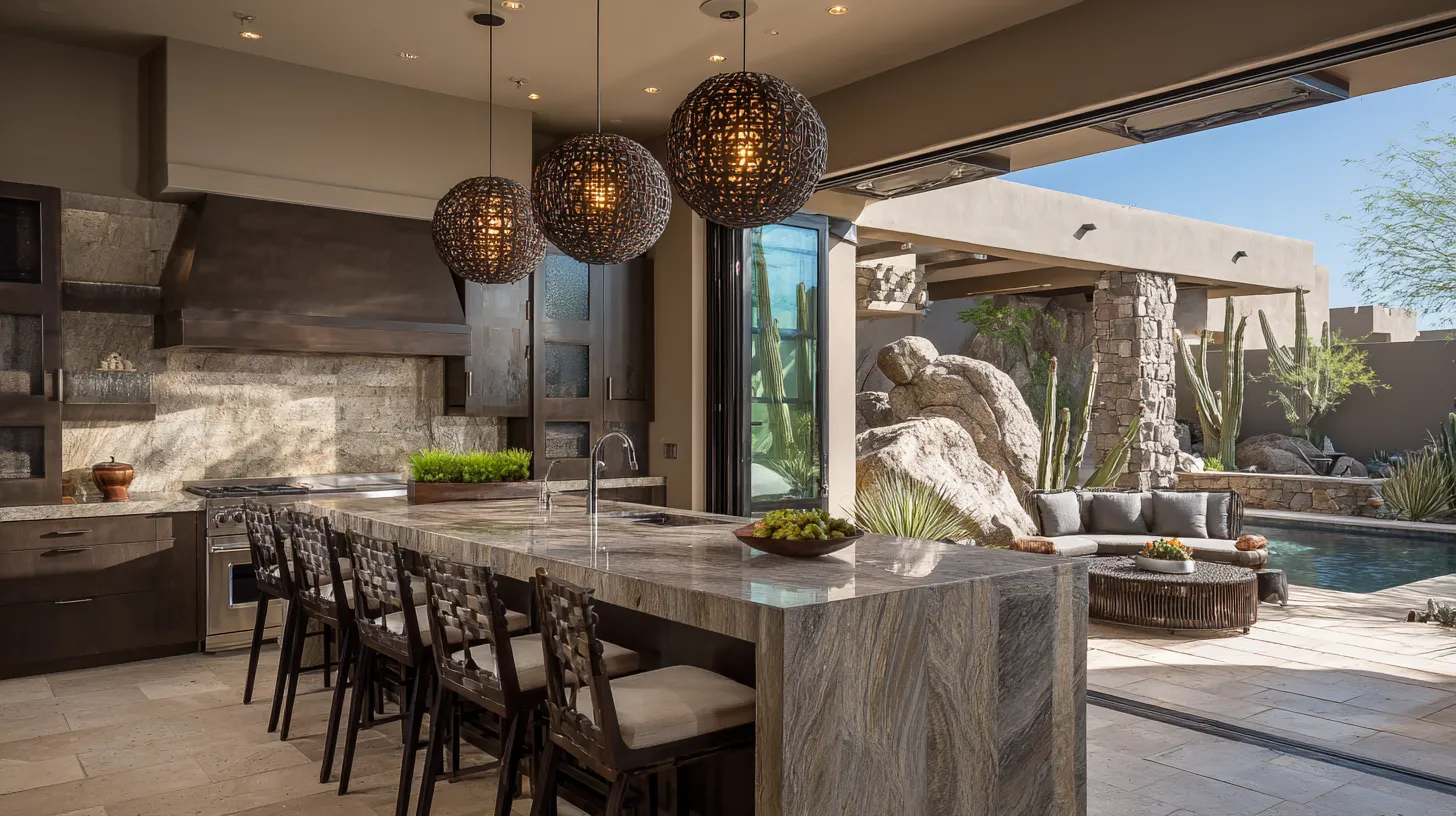
The best decorating order moves from decisions that are difficult or expensive to change toward flexible finishing details. Begin with how each room needs to function, establish a visual direction, complete permanent work, and then add furniture and decorative layers. This sequence reduces costly mistakes and gives the whole house a more connected look.
Plan How Each Room Will Work
Start by measuring every room and noting doors, windows, outlets, walkways, and architectural features. Decide what activities each space must support and which existing pieces will stay. A simple floor plan can reveal the right furniture sizes and prevent crowded circulation. Set an overall budget at this stage, including room for delivery, installation, and unexpected changes.
Choose the Overall Direction
Next, define a consistent style, color palette, and material direction for the house. Collect a small group of references and identify the recurring qualities, such as clean lines, warm wood, muted color, or traditional detail. Select any major inspiration piece, rug, or fabric before finalizing paint because matching paint to an anchor item is usually easier than doing the reverse.
Complete Permanent Work
Finish renovations and fixed updates before bringing in new furnishings. This includes flooring, built-ins, electrical work, wall repairs, paint, trim, and installed hardware. Confirm furniture dimensions and the chosen palette before these decisions are finalized. Completing messy work first protects new purchases and keeps later styling from being disrupted by dust, repairs, or changing room measurements.
Place the Largest Furniture
Add the pieces that establish each room’s layout: beds, sofas, dining tables, desks, storage units, and other large furnishings. Position them around the room’s function and focal point rather than automatically pushing everything against the walls. Check walking space, door clearance, and sightlines before ordering smaller items. These large pieces determine the scale of nearly everything that follows.
Layer Lighting, Rugs, and Textiles
Once the main furniture is settled, add practical and atmospheric layers. Combine general, task, and accent lighting so rooms work at different times of day. Then choose rugs, window treatments, bedding, and pillows that support the established palette. Curtains should be measured carefully, while rugs should be large enough to connect the main furniture instead of floating between pieces.
Finish With Art and Accessories
Complete the house with art, mirrors, plants, books, and useful decorative objects. These flexible pieces bring personality and can be adjusted as the rooms evolve. Edit rather than filling every surface at once, and repeat a few colors or materials across nearby spaces for continuity. Decorating in this order creates a home that functions well first and feels polished without requiring constant correction.
Disclaimer: The content provided in this article is for informational purposes only and is not intended as financial, tax, or investment advice. JL Coates is not a financial advisor, tax consultant, or investment specialist. We recommend consulting with a professional financial advisor, tax specialist, or investment advisor to discuss your specific circumstances before making any financial, tax, or investment decisions based on this information. JL Coates assumes no responsibility for any actions taken based on the information provided in this article.
