
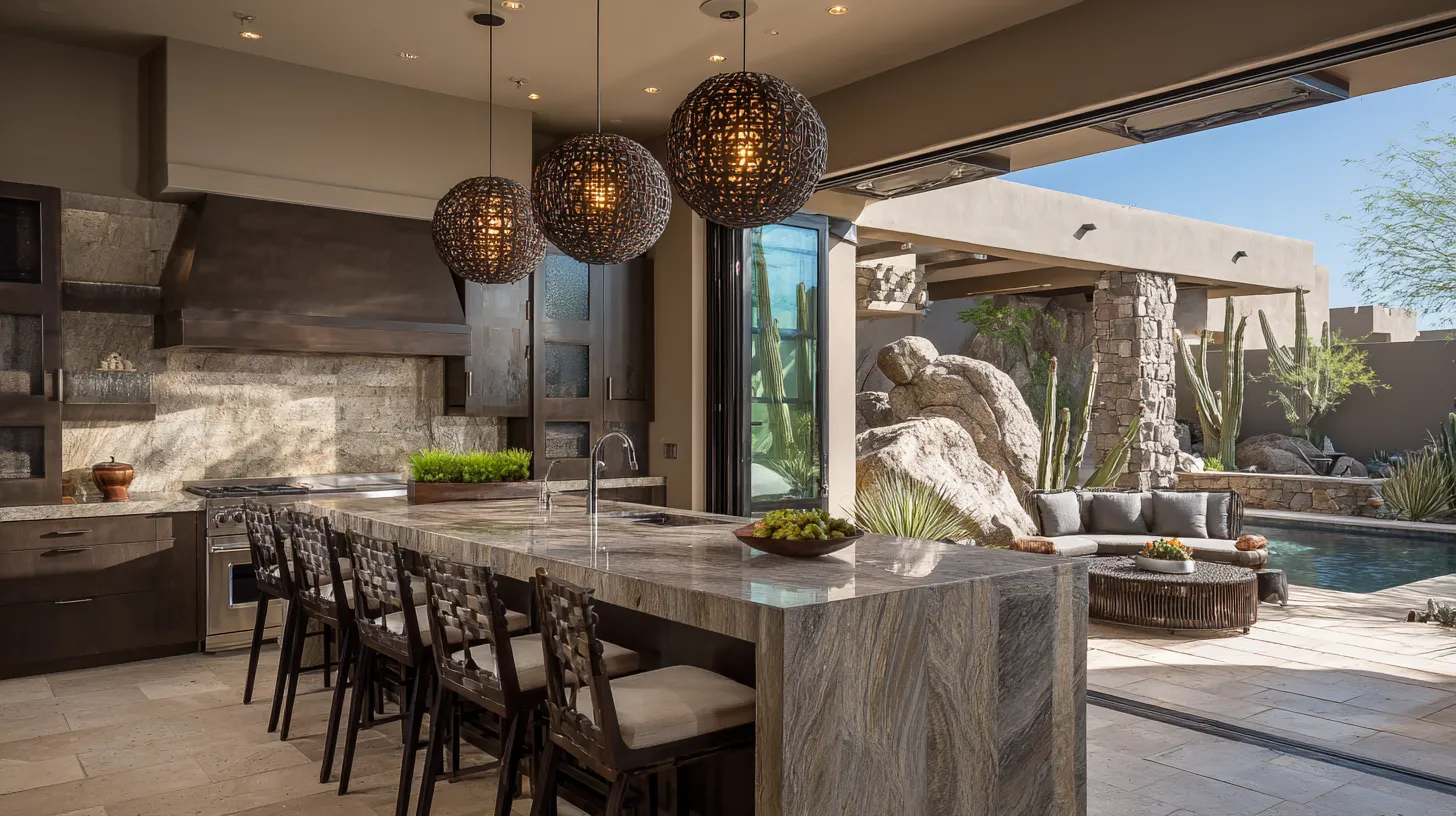
Full-service interior design can be the right fit when a project has many moving parts and you want one professional to guide the process from early planning through installation. It is a comprehensive service, but it is not automatically the best choice for every room, budget, or homeowner. The decision depends on scope, time, complexity, and how involved you want to be.
What Full-Service Design Typically Includes
A full-service engagement usually covers concept development, space planning, finish and fixture selections, furniture, drawings, sourcing, ordering, coordination, and installation. The designer manages how the individual decisions work together and often communicates with trades, vendors, and contractors. Exact responsibilities vary by project, so the proposal should define what is included, which decisions remain yours, and where additional fees may apply. The main value is continuity: one design direction is carried across the project instead of being assembled in separate pieces.
When Project Complexity Justifies More Support
Full-service support becomes especially useful for renovations, new construction, several connected rooms, or spaces requiring custom work. These projects create overlapping decisions about layout, materials, lighting, storage, furnishings, lead times, and installation. A choice made in one area can affect many others. If the project involves multiple vendors or a long decision sequence, professional oversight can reduce gaps, rework, and last-minute substitutions.
When You Want Guidance and Delegation
The service also suits clients who want a clear point of view but do not want to research every option, compare orders, track deliveries, or solve problems as they arise. Collaboration is still required. You will need to share priorities, approve major decisions, and communicate honestly about budget. The difference is that the designer organizes the process, narrows the choices, and keeps the overall plan aligned.
Whether the Budget and Timeline Support It
Full-service design requires an investment beyond the products and construction. Fees may be structured as flat fees, hourly billing, retainers, purchasing fees, or a combination. Before committing, ask for a realistic range covering design services, furnishings, contractor work, delivery, storage, and installation. It also helps to understand the timeline for approvals and purchasing. This service works best when the available budget and schedule can support thoughtful planning rather than constant compression.
When a Smaller Design Service May Fit Better
A consultation, design plan, or room-specific package may be more appropriate when the scope is limited, you enjoy managing purchases, or you mainly need help with a few decisions. Full-service design is the strongest fit when the project is complex, you value a cohesive result, and you are comfortable delegating implementation. Choosing the right service is less about project prestige and more about matching the level of support to the work ahead.
Disclaimer: The content provided in this article is for informational purposes only and is not intended as financial, tax, or investment advice. JL Coates is not a financial advisor, tax consultant, or investment specialist. We recommend consulting with a professional financial advisor, tax specialist, or investment advisor to discuss your specific circumstances before making any financial, tax, or investment decisions based on this information. JL Coates assumes no responsibility for any actions taken based on the information provided in this article.
