
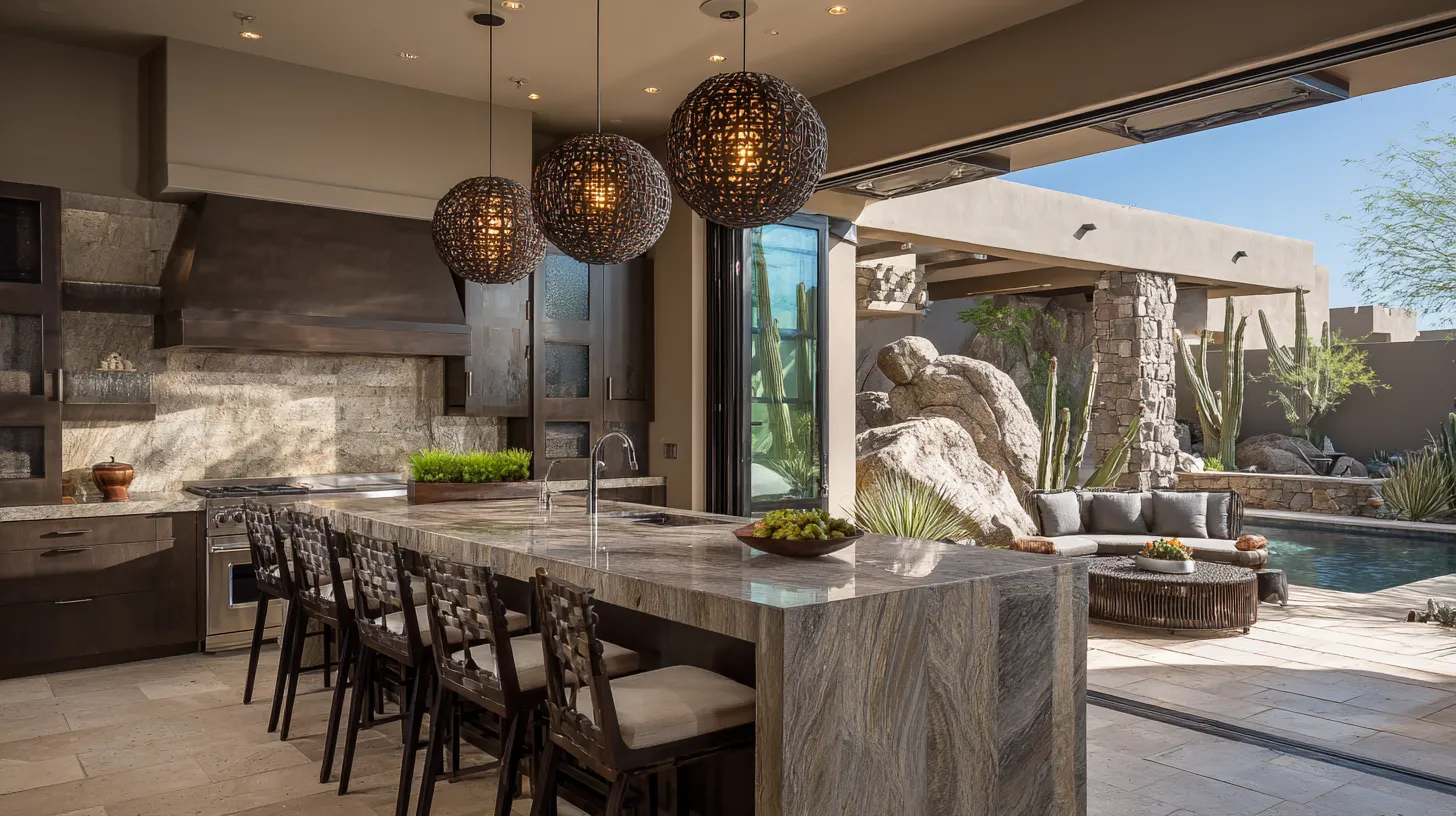
A finish schedule is one of the clearest planning tools in a remodel. It lists the visible selections for a space, such as flooring, tile, paint, counters, fixtures, hardware, and lighting, so everyone involved can see what belongs where. Instead of relying on scattered notes or verbal decisions, a finish schedule turns design choices into an organized reference that supports pricing, ordering, and installation.
What a Finish Schedule Includes
A finish schedule usually connects each room or area with the materials and products selected for it. It may note paint colors, flooring type, tile pattern, grout color, cabinet finish, countertop material, plumbing fixtures, lighting fixtures, door hardware, and other visible details. The level of detail can vary, but the goal is the same: make each decision easy to identify and apply in the correct location.
Why It Matters During Planning
Remodels involve many decisions that depend on each other. A finish schedule helps reduce confusion by showing how selections work together across the project. It can reveal missing decisions early, such as an unchosen trim color or a fixture that has not been specified. It also gives contractors and vendors a clearer basis for estimating costs, ordering materials, and preparing for installation.
How It Helps Prevent Mistakes
Without a finish schedule, important choices can live in separate emails, invoices, texts, and sample notes. That creates room for mix-ups, especially when similar materials are used in different rooms. A clear schedule helps confirm quantities, placement, product names, finishes, and approvals before materials are purchased or installed. It also gives the homeowner a single place to review what has been selected.
When to Create One
A finish schedule should be developed before major purchasing and construction decisions are locked in. It does not need to be perfect at the first draft, but it should become more complete before ordering begins. The strongest schedules are updated as selections are finalized, substitutions are approved, or availability changes. Used well, a finish schedule keeps the visible details of a remodel organized, documented, and easier to execute correctly.
Disclaimer: The content provided in this article is for informational purposes only and is not intended as financial, tax, or investment advice. JL Coates is not a financial advisor, tax consultant, or investment specialist. We recommend consulting with a professional financial advisor, tax specialist, or investment advisor to discuss your specific circumstances before making any financial, tax, or investment decisions based on this information. JL Coates assumes no responsibility for any actions taken based on the information provided in this article.
