
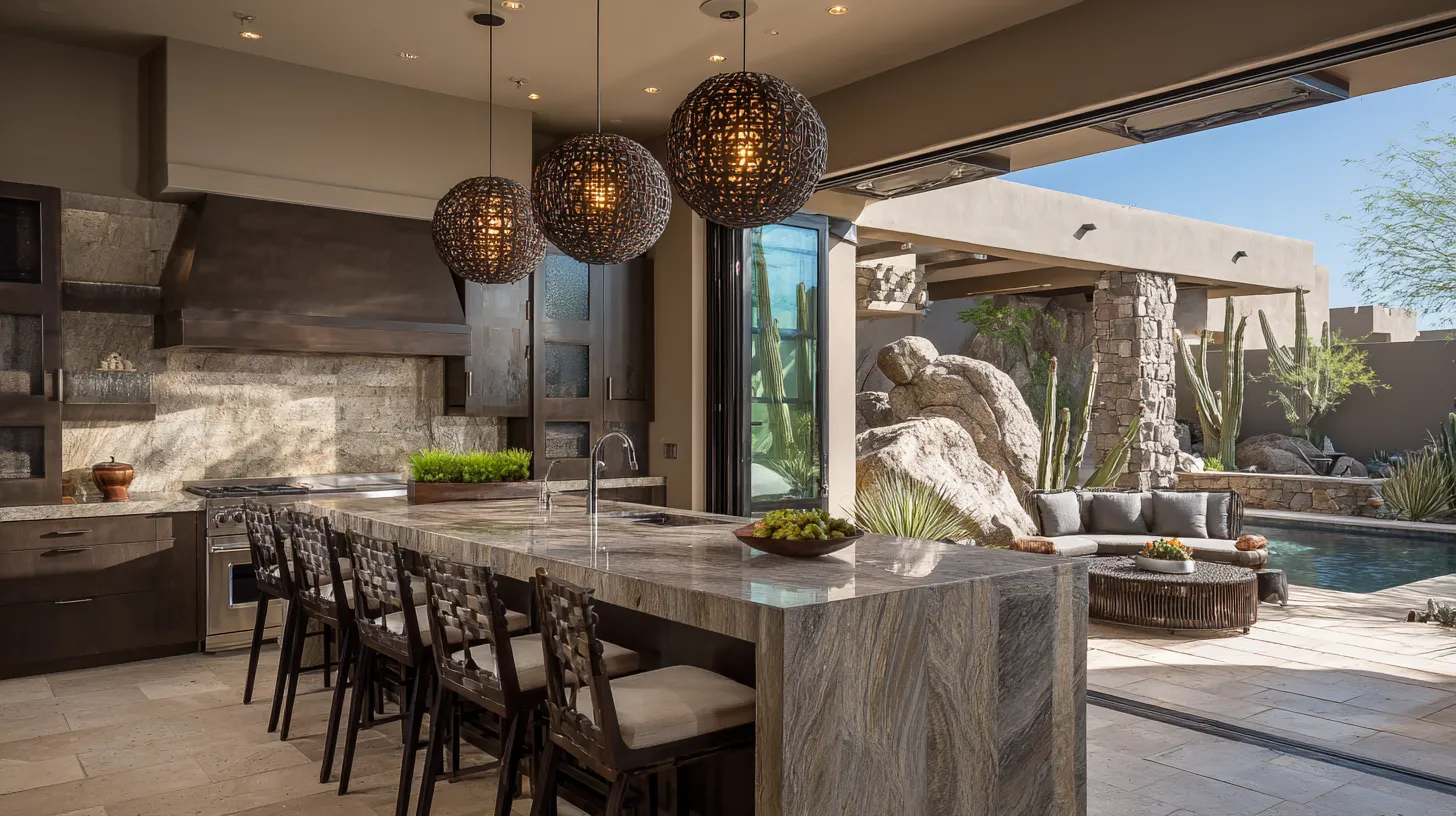
The best place to start when designing a room is not with paint colors or accessories. Begin by defining how the room needs to function, how it should feel, and what must remain. Those decisions create a practical framework for every choice that follows, from the furniture plan to lighting and finishes.
Define the Room's Purpose
List the activities the room must support before thinking about its style. A living room may need conversation seating, television viewing, reading, and storage, while a bedroom may require darkness, calm, and clear pathways. Rank these needs so competing ideas have an order of importance. Then choose a few words for the desired atmosphere, such as quiet, energetic, tailored, or relaxed. Function sets the requirements; feeling guides the character.
Measure the Fixed Elements
Record the room's dimensions, ceiling height, door swings, windows, outlets, vents, and architectural features. Also note which furniture or finishes must stay. These fixed elements affect scale, circulation, lighting, and placement. Measure the largest pieces carefully, then sketch a simple floor plan. Leaving comfortable paths between entries and major furnishings prevents a beautiful idea from becoming inconvenient in daily use.
Choose One Anchor Element
Select one element that will lead the design. It might be a rug, artwork, a distinctive piece of furniture, a fireplace, or the view outside. The anchor should suit the room's purpose and offer useful direction for scale, color, or mood. Starting with one strong reference helps narrow options without forcing every item to match. It also gives the room a clear visual center.
Plan the Layout Before the Palette
Arrange the largest furniture first and test more than one layout. Check sightlines, conversation distances, access to storage, and the way movement passes through the room. Once the layout works, build a restrained palette from the anchor element and the room's natural light. Choose foundational materials and large surfaces before smaller accents. This sequence keeps expensive decisions connected to the plan instead of isolated inspiration.
Add Color, Lighting, and Details
Complete the room in layers: ambient lighting, task lighting, textiles, art, and a limited number of accessories. Each addition should support the established function or atmosphere. When something feels wrong, return to the plan rather than buying another decorative object. A successful room begins with clarity about use, respects its physical limits, and grows from one dependable starting point. With that structure in place, the finishing choices become easier, more cohesive, and less likely to need replacement.
Disclaimer: The content provided in this article is for informational purposes only and is not intended as financial, tax, or investment advice. JL Coates is not a financial advisor, tax consultant, or investment specialist. We recommend consulting with a professional financial advisor, tax specialist, or investment advisor to discuss your specific circumstances before making any financial, tax, or investment decisions based on this information. JL Coates assumes no responsibility for any actions taken based on the information provided in this article.
