
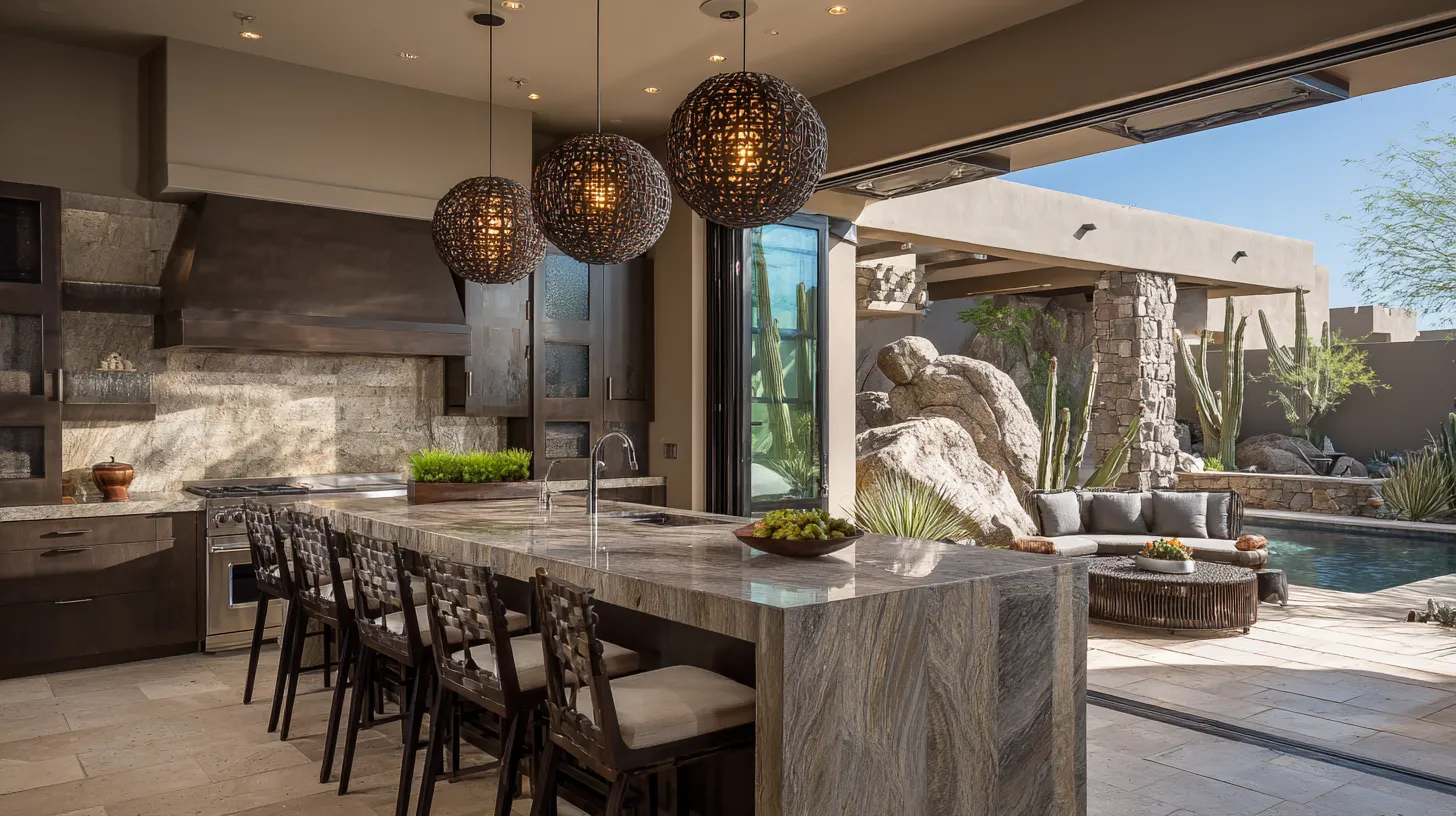
Yes, an interior designer can often work within a budget, but the budget must match the project’s size, quality expectations, and service needs. A clear financial range helps the designer recommend an appropriate scope, identify priorities, and explain where adjustments may be necessary before work begins.
Start With the Full Budget
Share the total amount available, not only the amount reserved for furniture or finishes. A complete project budget may need to cover design fees, contractors, furnishings, materials, delivery, installation, taxes, and a contingency for unexpected costs. Holding back the real number can lead to recommendations that look appropriate but are not financially workable. A designer needs an honest range to create a realistic plan.
Match the Service to the Budget
Interior design is not always an all-or-nothing service. Full-service design may suit a large renovation or a fully furnished home, while consultations, room plans, finish selections, or phased design can offer focused help at a lower overall cost. Ask what is included, how fees are calculated, and which decisions the designer will manage. A smaller, clearly defined scope can make professional guidance more accessible.
Decide Where to Spend and Save
A designer can help direct more of the budget toward choices that affect function, durability, or the room’s strongest visual features. Other items may be simplified, delayed, or sourced at a lower price point. This does not mean choosing the least expensive option everywhere. It means using the available funds intentionally, with priorities established before purchasing begins.
Build Flexibility Into the Plan
Budgets can change when hidden conditions, discontinued products, freight charges, or labor requirements appear. A contingency creates room for these variables without forcing rushed compromises. Phasing can also help: essential construction and foundational pieces come first, while decorative layers are added later. Clear approval points for purchases and changes help keep spending visible throughout the project.
Realistic Expectations Support Better Results
A designer cannot make every wish fit an unrealistic number, but a good design process can clarify what is achievable and where tradeoffs are required. The best starting point is a candid conversation about the budget, timeline, priorities, and desired level of service. When those elements align, professional design can bring structure, informed choices, and greater confidence to the money being spent.
Disclaimer: The content provided in this article is for informational purposes only and is not intended as financial, tax, or investment advice. JL Coates is not a financial advisor, tax consultant, or investment specialist. We recommend consulting with a professional financial advisor, tax specialist, or investment advisor to discuss your specific circumstances before making any financial, tax, or investment decisions based on this information. JL Coates assumes no responsibility for any actions taken based on the information provided in this article.
