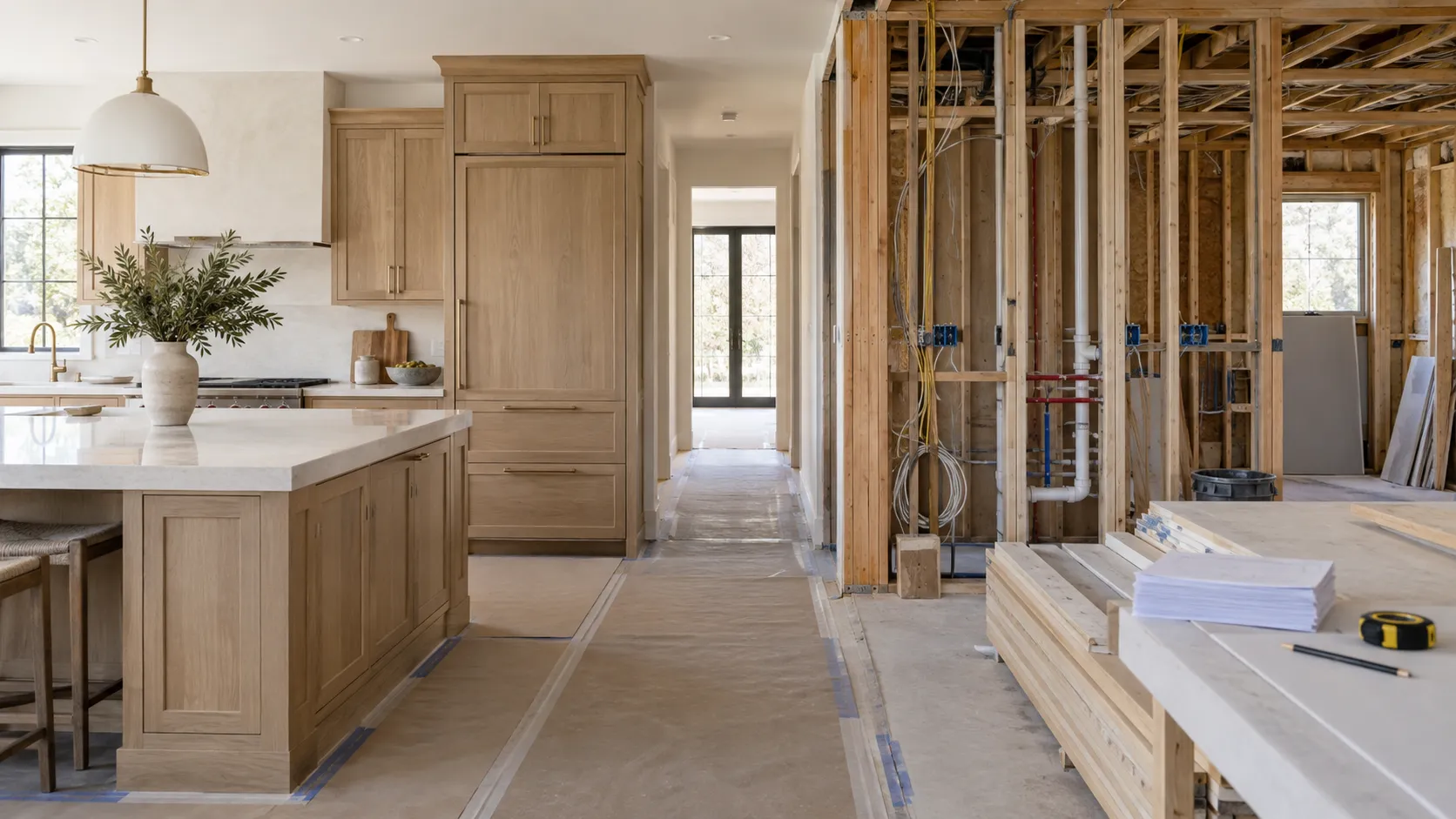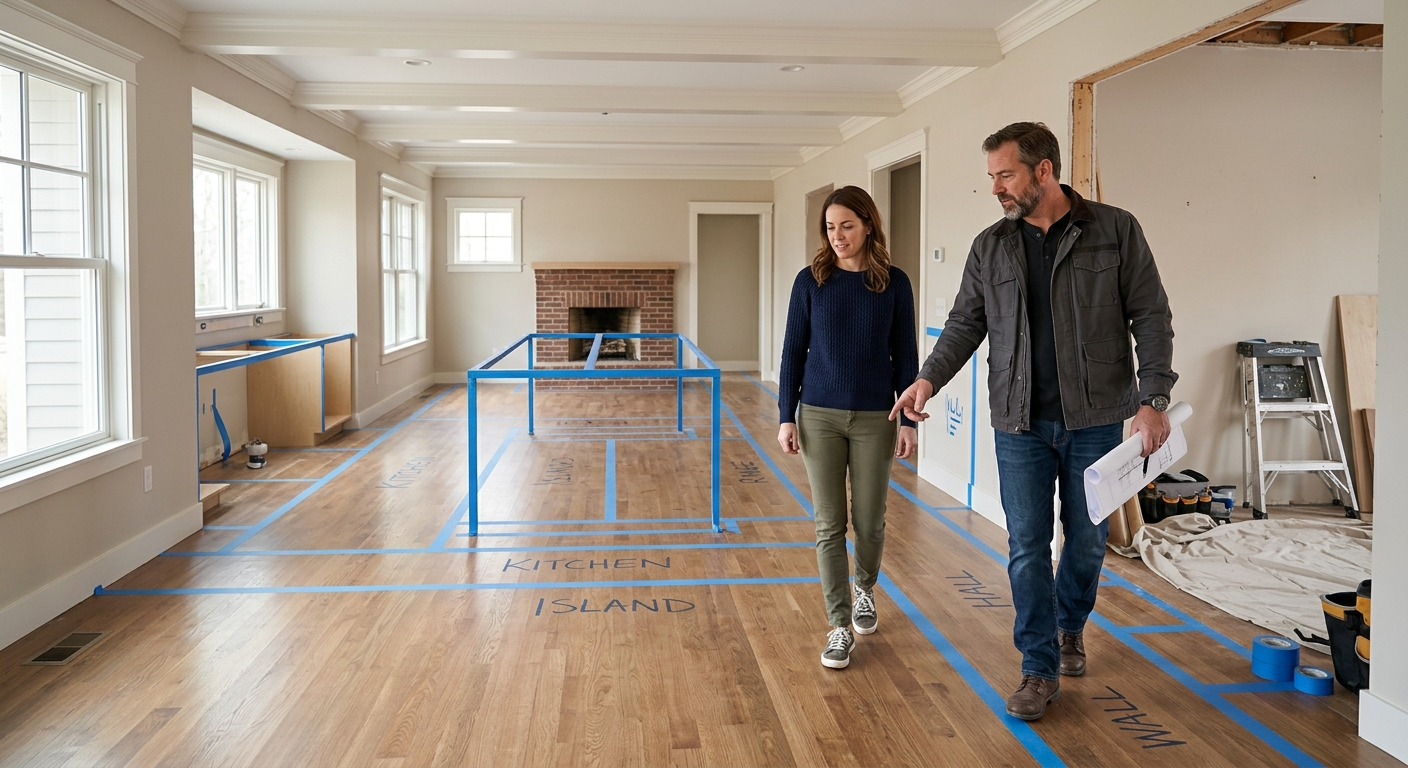

In the world of construction and design, certain features seem to drift in and out of popularity, only to find their way back into the spotlight with a fresh twist. Pocket doors, once a relic of older homes, are experiencing a unique revival in 2026—this time reimagined with smart technology. As both traditional craftsmanship and high-tech solutions become more valued, smart pocket doors are captivating the attention of homeowners, architects, and builders alike. Let’s explore what’s fueling this renewed enthusiasm and how these innovative doors are redefining the way we think about space and functionality.
Blending Heritage and Modern Convenience
Pocket doors have a storied history, tracing back to elegant Victorian-era homes where they provided a sleek way to separate parlors and dining rooms. What made them so useful back then—the ability to save space—remains just as relevant today, especially as homes and commercial spaces demand more flexible layouts.
In 2026, we’re not only seeing a return of these space-saving marvels but also a reinvention. Smart pocket doors now come equipped with everything from soft-closing mechanisms to app-controlled openers. Imagine walking up to your home office and having the door glide open at your command, or seamlessly integrating your smart pocket door into your existing home automation setup. This marriage of classic design and contemporary tech taps into a sense of nostalgia, all while meeting the practical needs of today’s living and working environments.
Maximizing Space Without Compromising Style
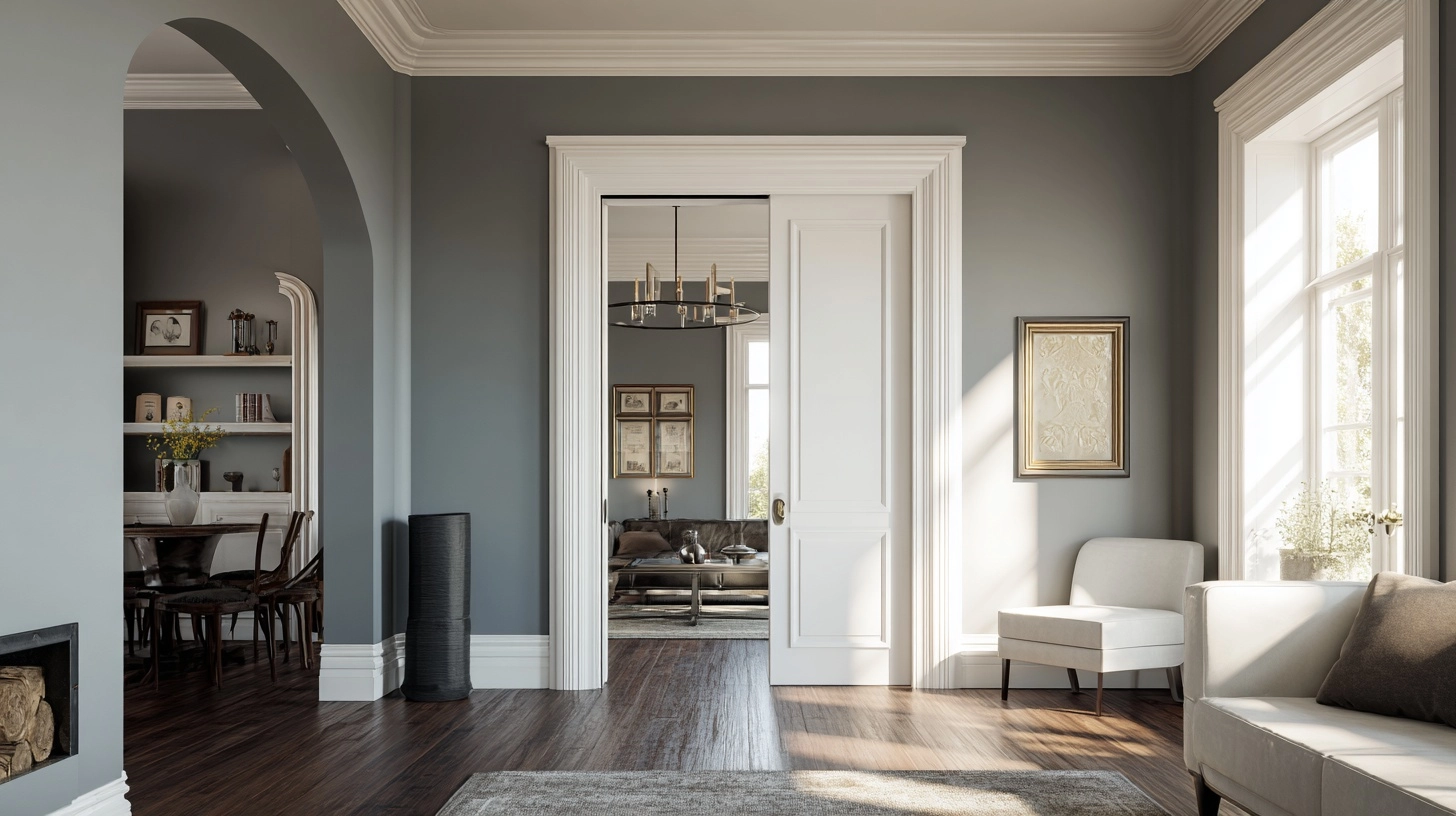
One of the perennial challenges in both residential and commercial design is making every square foot count. Unlike traditional swing doors, pocket doors vanish neatly into the wall, opening up a room for more efficient traffic flow and furniture placement. This makes them especially appealing in compact city dwellings, multi-functional rooms, or offices seeking an open feel without permanent open spaces.
What sets the latest smart pocket doors apart is their ability to maintain – if not enhance – a space’s visual appeal. Whether you’re seeking the warm, tactile feel of real wood inherited from Irish carpentry tradition, or the crisp, sleek lines favored in contemporary American interiors, today’s pocket doors are crafted to suit a broad array of aesthetics. Integrated LED lighting, customizable panels, or even frosted glass inserts add that personal touch, while maintaining the technical benefits of space-saving design.
Seamless Integration With Smart Home Ecosystems
Smart home integration has come a long way, and pocket doors are no exception. The newest smart pocket doors offer touchless operation—think sensors that detect your approach or voice-activated commands linked to your home’s existing automation system. This is more than just about convenience; it’s about accessibility, too. For families with young children, or individuals with mobility challenges, the ability to operate doors with a wave or a word can be a game changer.
This integration also dovetails with security considerations. Many modern smart pocket doors come equipped with lock status notifications, remote access, and scheduling options. Whether you’re securing a home office, a pantry, or even a private meeting room in a commercial setting, these doors offer the flexibility and reassurance that today’s homeowners and businesses prize.
Enhancing Privacy and Acoustics
As open-concept living remains popular, balancing communal space with privacy is more important than ever. Here’s where pocket doors really shine. When closed, top-tier pocket doors provide significant sound-dampening, helping to create quiet zones for working from home or relaxation. In hospitality and office environments, they allow for rooms to be divided as needed for meetings, collaboration, or solitude—without the permanence of fixed walls.
Add in smart glass technology (which can switch from transparent to opaque with a tap), and pocket doors gain another layer of functionality. This kind of flexibility speaks directly to the evolving needs of modern occupants: adaptable, reconfigurable spaces that support both togetherness and solitude as the situation requires.
Looking Forward—Why the Comeback Matters
The resurgence of smart pocket doors in 2026 is more than a design fad—it’s a response to shifting lifestyles, technological innovation, and an enduring appreciation for craftsmanship. As we continue to juggle work, family, and leisure in overlapping spaces, the practical elegance of pocket doors—now amplified by smart capabilities—makes them a natural fit for homes and businesses seeking both efficiency and sophistication.
Their comeback says something about the direction of construction and design: the most effective solutions aren’t always brand new, but often those that cleverly combine heritage and innovation for today’s demands. Whether you’re renovating an old space or designing new, consider how the humble pocket door—smartened up for the 21st century—might just be the unifying detail that brings comfort, function, and style to your project.
Disclaimer: The content provided in this article is for informational purposes only and is not intended as financial, tax, or investment advice. JL Coates is not a financial advisor, tax consultant, or investment specialist. We recommend consulting with a professional financial advisor, tax specialist, or investment advisor to discuss your specific circumstances before making any financial, tax, or investment decisions based on this information. JL Coates assumes no responsibility for any actions taken based on the information provided in this article.