
Design is, at its heart, the art of creating environments that invite us in—where form embraces function and comfort is ever-present. In 2026, a remarkable shift is underway: rounded furniture is making waves, taking precedence over rigid lines and sharp corners. From sculptural sofas to oval coffee tables, these gentle silhouettes offer not just a visual softening of our interiors but also a tangible sense of welcome and relaxation. For those passionate about refined yet comfortable living, understanding the current allure of curves is essential to crafting beautiful, future-focused spaces.
The Historical Roots and Modern Return of Curves
Curved forms have long graced the annals of interior design. One has only to remember the grandeur of the Art Deco era or the mid-century enthusiasm for biomorphic shapes to see that curves are no mere passing trend. These eras showcased the beauty and practicality of softened lines—a language of design that transcends fleeting fads. In 2026, renewed interest in wellbeing and comfort has brought this design element roaring back into our homes, but with a contemporary twist.
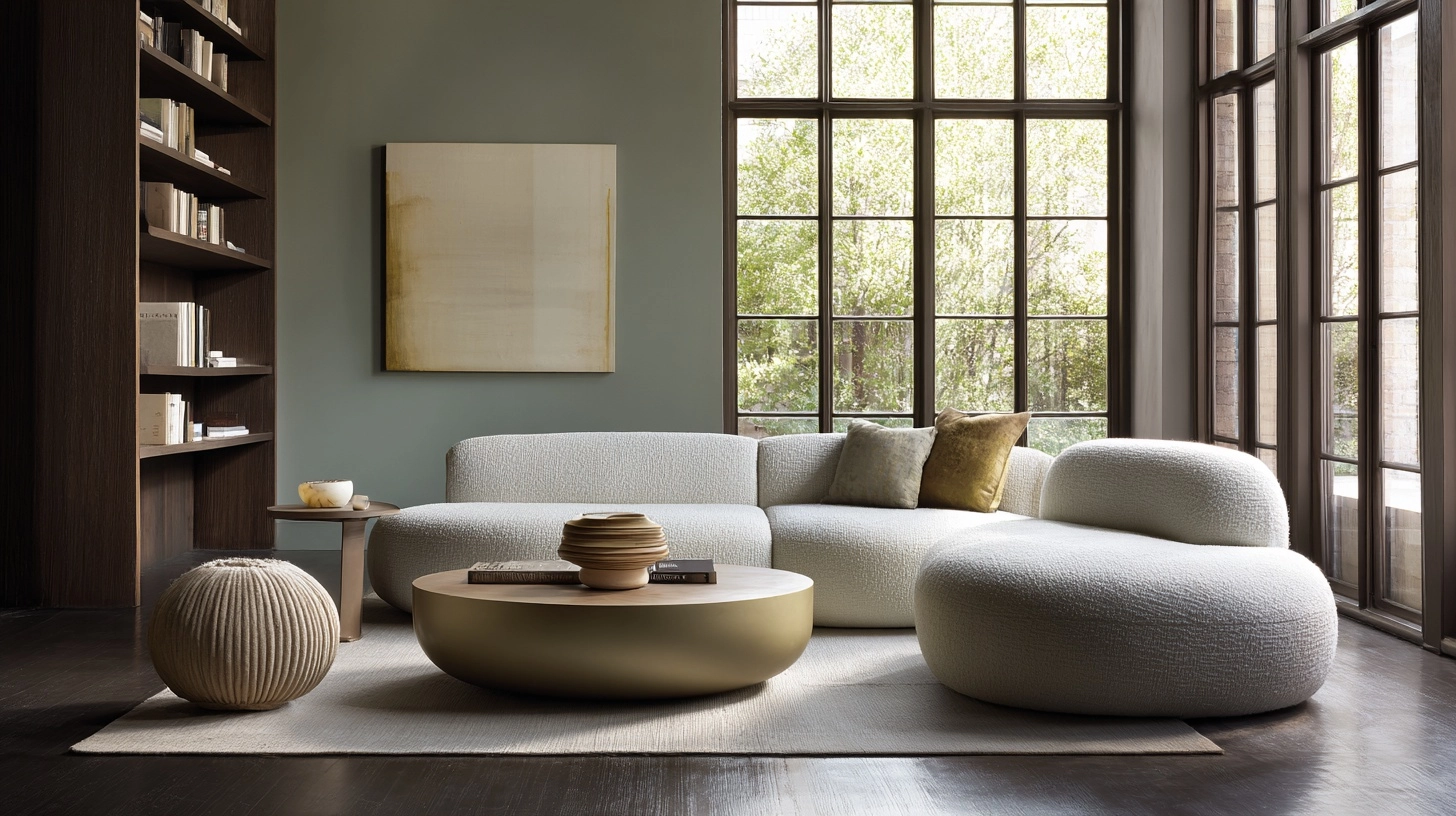
Today’s rounded furniture embraces the best of both worlds: the elegance and glamour of history, and the playful informality of modern life. Designers are crafting sinuous, ergonomic pieces that cradle the body, using plush fabrics and innovative foam fills to ensure feel matches form. The result? Spaces that evoke a sense of sanctuary, echoing a broader societal desire for security, warmth, and human-centric design. This revival not only pays homage to the past but also reinforces the enduring appeal of comfort in a rapidly changing world.
Emotional Comfort and Spatial Harmony
Why do curves feel so inviting? Psychology tells us that rounded shapes naturally evoke feelings of safety and relaxation, stemming from their frequent occurrence in nature—from river stones to rolling hills. Unlike severe angles, which can feel imposing or clinical, rounded silhouettes soften a room’s visual rhythm, encouraging us to linger and unwind.
In practical terms, rounded furniture promotes better flow in multi-use spaces—think oval dining tables or crescent-shaped sectionals, which allow for greater conversational intimacy and easier navigation. For families, curved edges also translate to fewer hazards, a thoughtful touch as lifestyles become more dynamic. Such considerations resonate profoundly with today’s discerning homeowners, who seek not just statement pieces but also environments that nurture, rejuvenate, and adapt to everyday living.
Versatility Across Styles and Spaces
One of the great triumphs of rounded furniture in 2026 is its sheer adaptability. Whether anchoring a minimalist, Scandinavian-inspired lounge or adding a touch of softness to a maximalist study, these forms integrate seamlessly across interiors. The key lies in their subtlety—curves can be bold and sculptural or gentle and understated, shaped by material, colour, and scale.
For city dwellers in compact apartments, a petite curved armchair offers both style and ergonomic advantage, visually expanding a room while providing comfortable seating. In larger homes, expansive modular sectionals with rounded contours create inviting conversation zones without overpowering the architecture. Such flexibility suits the eclectic tastes and varied living situations of today’s design aficionados.
Materials and Craftsmanship Defining the Look
The 2026 incarnation of rounded furniture is distinguished not only by silhouette but also by craftsmanship and material innovation. Soft, tactile textiles—bouclé, velvet, and chenille—wrap gently contoured forms, accentuating their comfort factor. Meanwhile, new sustainable foams and responsibly sourced woods ensure these pieces are as durable and conscientious as they are beautiful.
Manufacturers are investing in details that elevate—contrast stitching, decorative piping, and unique leg profiles. Whether it’s a marble-topped, pebble-shaped side table or a luxuriously curved headboard finished in artisan leather, there’s an emphasis on tactile delight and meticulous construction. Such attention to detail reflects a growing appreciation within the design community for pieces that will stand the test of time, both aesthetically and practically.
Curating Your Space with Curves in Mind
If you’re considering introducing curves into your home, start with one or two focal pieces—a circular dining table, a rounded sofa, or an arched floor lamp. Let these serve as visual and emotional anchors, then build around them with complementary textures and a mix of straight and curved forms to maintain balance. Palettes in 2026 often feature earthy neutrals, blush tones, and deep blues, enhancing the calming ethos of rounded design.
Remember, the goal is not to eliminate all corners but to allow curves to soften transitions, foster conviviality, and express a confident design statement. Rounded furniture invites us to rethink how we interact with our environment—encouraging us to rest, gather, and savor the simple comforts of home. As the trend continues to flourish, it’s clear: in the interiors of tomorrow, comfort and elegance flow best where corners give way to curves.
Disclaimer: The content provided in this article is for informational purposes only and is not intended as financial, tax, or investment advice. JL Coates is not a financial advisor, tax consultant, or investment specialist. We recommend consulting with a professional financial advisor, tax specialist, or investment advisor to discuss your specific circumstances before making any financial, tax, or investment decisions based on this information. JL Coates assumes no responsibility for any actions taken based on the information provided in this article.