
Arizona’s architectural landscape has always been a canvas for innovation, blending the timeless beauty of desert vistas with a distinctly modern sensibility. As we approach 2026, homeowners and designers are embracing a new era of smart space planning—one that deftly juggles form, function, and technological sophistication. For those with a discerning eye and a penchant for sophisticated living, thinking strategically about how rooms flow, interact with light, and adapt to daily life is an art as critical as any aesthetic flourish. This article unpacks the essential elements of intelligent space planning, tailored to the unique demands and aspirations of modern Arizona living.
Understanding Arizona’s Unique Context
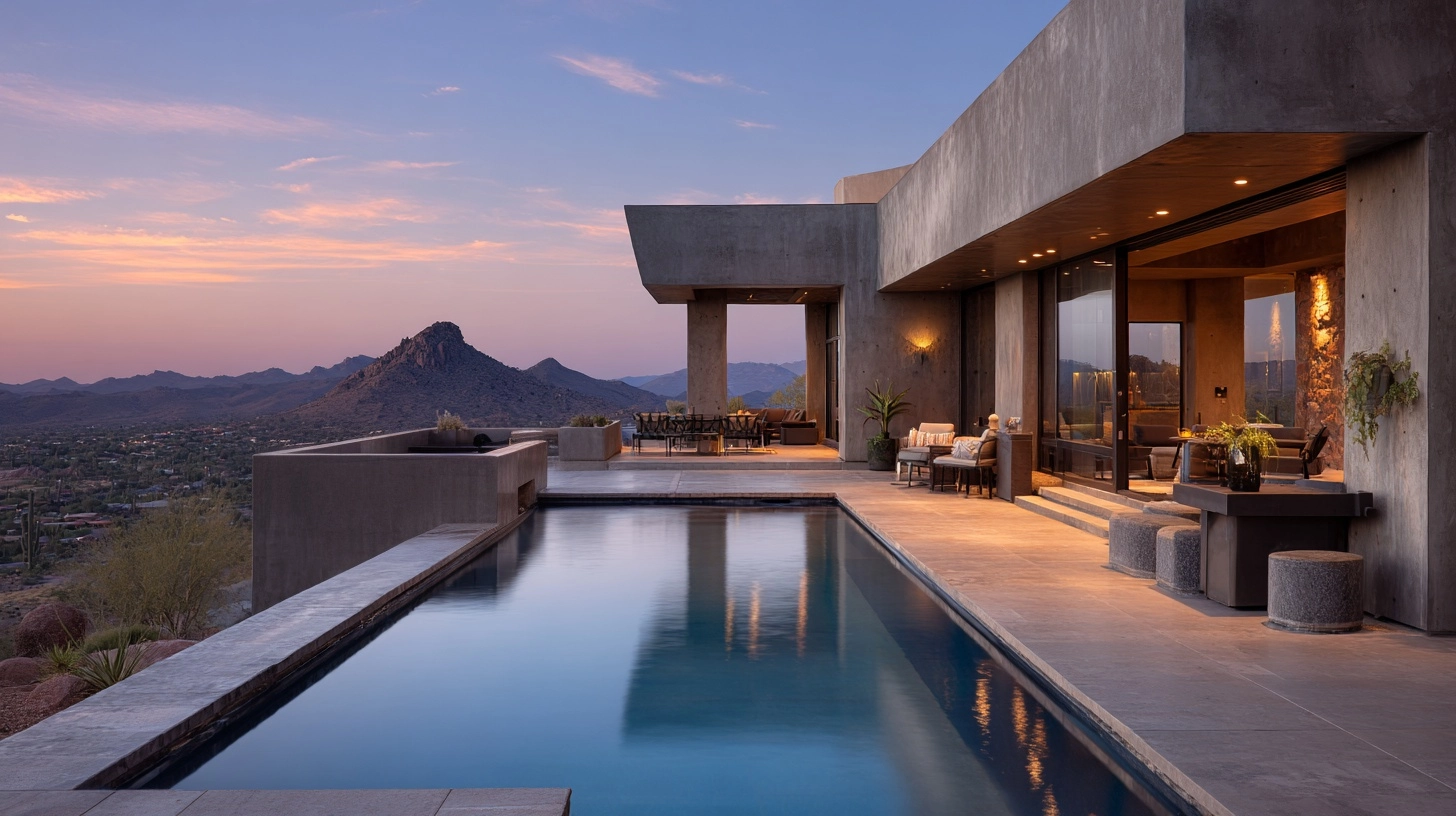
A meticulous approach to space planning must begin with an acute awareness of context, and nowhere is this truer than in Arizona. The Sonoran sun, sprawling vistas, and arid climate present a distinct set of challenges and opportunities that shape the way homes should be designed. The formidable heat and intense light demand both resilience and sensitivity—a harmonious balance between shelter and openness.
Orientation plays a pivotal role. Prioritizing north-south orientations for major living spaces minimizes heat gain and maximizes comfort. Deep overhangs, shaded courtyards, and well-placed clerestory windows allow for natural light to bathe interiors while protecting against the unyielding midday sun. Furthermore, the desert’s dramatic temperature swings urge designers to create flexible microclimates indoors, deploying insulated walls and clever zoning to keep spaces comfortable year-round.
But context extends beyond the purely climatic; cultural trends in Arizona are also shifting rapidly. The influx of remote workers and multi-generational families means spaces must be more versatile than ever, weaving privacy, connectivity, and community seamlessly under one roof. Rooms are no longer islands unto themselves; rather, they are thoughtfully layered, each with a distinct yet fluid purpose that accommodates the dynamic rhythms of modern life in the Southwest.
Embracing Technological Integration
By 2026, the modern Arizona home is expected to function almost as a living organism, with technology serving as its nervous system. The integration of smart technology not only enhances convenience and efficiency but also opens doors to entirely new spatial possibilities. It’s not simply about installing the latest gadgets but about embedding a mindset of adaptability and anticipation into the very fabric of space planning.
Consider the role of smart zoning systems, which use sensor-driven controls to modulate lighting, climate, and even acoustics according to occupancy. Rooms can transition effortlessly from a serene family retreat in the evening to an energized work hub by day. Furniture itself is evolving—think modular sofas with embedded charging stations, or retractable walls and concealed storage that transform open-plan living areas into intimate nooks with a touch of a button. Kitchens are increasingly the domain of intuitive appliances, such as refrigerators that monitor inventory and ovens that can be preheated remotely.
Technology also brings sustainability to the vanguard of design. Integrated solar panels, energy-monitoring dashboards, and smart irrigation systems support homeowners in reducing their ecological footprint without sacrificing luxury or comfort. The true hallmark of intelligent space planning in Arizona lies in this careful choreography—technology quietly enhancing daily rituals, never overwhelming the serenity of the space itself.
Flexible Layouts for Evolving Lifestyles
The archetypal Arizona home of 2026 is more than a static backdrop—it’s an active participant in the homeowner’s journey. Flexibility is the new currency of value, and well-considered space planning ensures that homes can rise to the occasion, whatever it may be. Open-plan living, so beloved for its airy conviviality, is now being refined; transitional zones, sliding partitions, and zone-specific furnishings provide the freedom to redefine space on a whim.
Multi-use rooms have become essential. A second bedroom might moonlight as a study or fitness studio, while a formal dining area can transform into a digital classroom or collaborative workspace. Design cues borrowed from boutique hotels—such as window seats, cozy corners for reading, or garden-facing workstations—add layers of purpose without cluttering the flow. The focus is on maximizing livability for all ages and household structures, from young professionals sharing space to families hosting out-of-town guests.
Beyond interiors, Arizona’s exceptional climate inspires a seamless dialogue between indoors and out. Retractable glass walls, shaded patios, and outdoor kitchens dissolve boundaries and create versatile gathering spaces. Careful site planning ensures privacy even while the home feels open to its extraordinary surroundings. The result is a design philosophy that supports both solitude and sociability, grounded in the belief that the rhythm of one’s home life should never feel prescriptive or confined.
The Role of Materials and Texture
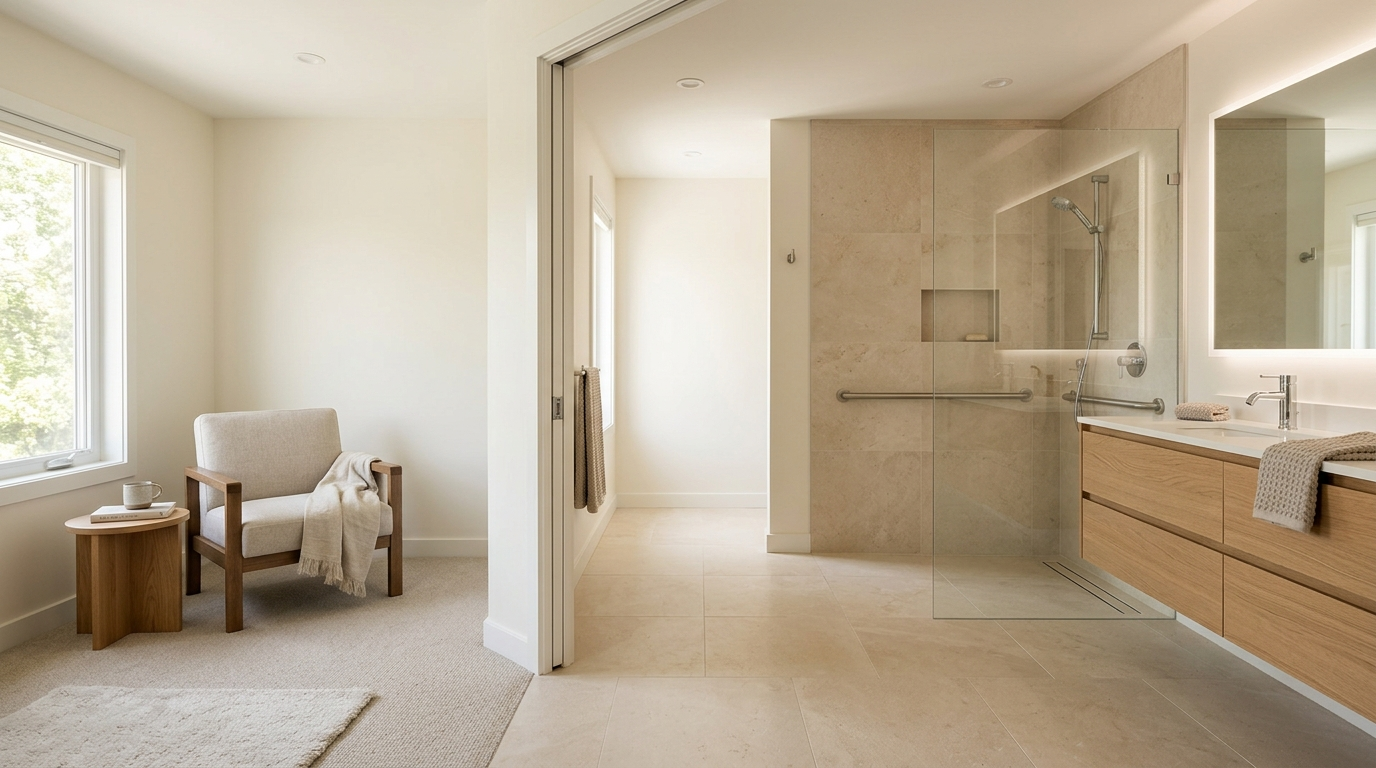
Space planning is not a purely spatial exercise; it is sensorial, relying heavily on the means by which materials express and define boundaries. In the Arizona context, materiality becomes both a practical and aesthetic consideration. Selective use of cool, tactile surfaces—such as polished concrete, limestone, or sustainably sourced timber—affords respite from the heat while imparting a quiet sophistication.
Acoustic zoning is particularly important in open-plan homes. The judicious use of textiles, area rugs, and acoustic panels ensures conversations are intimate and private, even in bustling communal spaces. Layered textures—like fluted stone, woven grasses, and matte metals—bring visual intrigue without overwhelming the eye; they delineate zones, invite touch, and reflect natural light in subtle, ever-shifting ways.
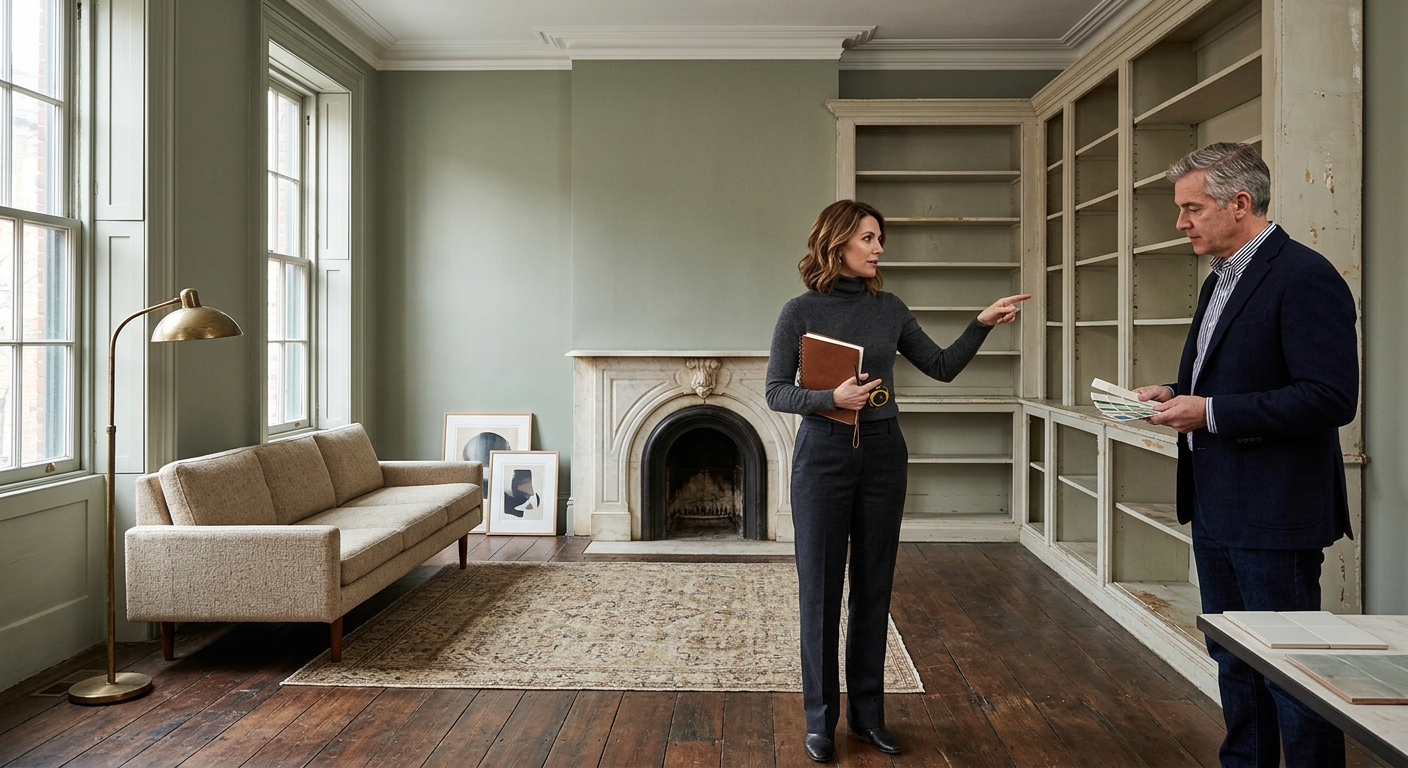
In spaces designed for multifunctionality, built-in furniture—benches with hidden storage, wall-hung shelving, integrated desks—creates order and offers flexibility. These custom solutions are complemented by a restrained, cohesive palette, often inspired by the desert’s own muted tones: sage greens, ochres, pale blushes, and sun-bleached woods. Such restraint does not limit expression but rather sharpens the focus, allowing key architectural features and personal collections to command attention.
Elevating Smart Space Planning—A Vision for 2026
As Arizona stands poised at the intersection of tradition and innovation, smart space planning emerges as a compelling narrative for its modern homes. The guiding principle is not excess, but intention: every square foot, every transition between inside and out, every layer of technology and texture, is considered through the lens of how people genuinely live.
Looking ahead to 2026, the most successful interiors will be those where adaptability meets artistry. Homes will enable their inhabitants to flourish amidst change—providing sanctuary from the desert’s extremes, harnessing the power of cutting-edge automation, and fostering deep connections, both personal and environmental. The future of Arizona living lies in homes that think ahead, creating an atmosphere that is as beautiful as it is brilliantly functional.
For those with a sophisticated design sensibility and an appetite for forward-thinking solutions, the next generation of space planning promises both delight and utility. By marrying classic elegance with contemporary innovation, Arizona’s modern homes will continue to be not just places of shelter, but true reflections of the lives lived within.
Disclaimer: The content provided in this article is for informational purposes only and is not intended as financial, tax, or investment advice. JL Coates is not a financial advisor, tax consultant, or investment specialist. We recommend consulting with a professional financial advisor, tax specialist, or investment advisor to discuss your specific circumstances before making any financial, tax, or investment decisions based on this information. JL Coates assumes no responsibility for any actions taken based on the information provided in this article.