
As our lives become increasingly fast-paced, our homes are reclaiming their place as sanctuaries—spaces that should restore, recharge, and support total well-being. In Arizona’s challenging climate, designing a wellness-ready home means more than following aesthetic trends; it’s about blending smart construction, thoughtful layouts, and environment-aware features to create spaces that nurture both body and mind. This article unpacks how to integrate wellness principles into every stage of the design process, focusing on functional solutions that don’t compromise comfort.
Prioritizing Indoor Air Quality in Desert Living
In Arizona, dust, pollen, and extreme temperatures pose specific challenges for maintaining a healthy indoor environment. Effective air quality management is non-negotiable for a wellness-ready home. From a construction perspective, this begins during the planning and renovation phases:
Invest in high-grade HVAC systems equipped with advanced filters to trap particulates and allergens. Look for systems rated for MERV 13 or higher.
Seal gaps in doors and windows using modern weatherstripping to minimize particulate intrusion without blocking essential ventilation.
Integrate whole-home air purifiers or humidifiers to maintain balanced humidity—a key factor in respiratory health and comfort, particularly during dry desert months.
These strategies not only protect your respiratory health but also extend the life of your home’s infrastructure by reducing dust buildup on sensitive mechanical components.
When selecting finishes and furnishings, prioritize low-VOC (volatile organic compound) materials and paints. They minimize the release of harmful chemicals, which is especially important when the house is sealed tightly against outdoor heat. Implementing airlocks or mudroom vestibules at entry points provides an added barrier, trapping dust before it infiltrates living spaces—an urban-smart solution perfectly suited to Arizona’s climate.
Natural Light and Thermal Comfort: The Dual Equation
Desert sunlight is abundant and beautiful, but unfiltered exposure can wreak havoc on both energy bills and comfort levels. The secret to a wellness-ready home lies in harnessing this light while insulating against excessive heat.
Start by optimizing window placement during design or major renovation. North- and south-facing windows, coupled with appropriate overhangs, maximize daylight while minimizing the harsh effects of solar gain. While large windows invite connective vistas and natural illumination, smart glazing and window films provide UV protection and thermal insulation.
Key principles for maintaining comfort and efficiency include:
Use operable window coverings—such as cellular shades or motorized blinds—to control heat and glare throughout the day.
Opt for light-colored or reflective roofing materials to deflect, rather than absorb, the desert sun’s intensity.
Add thermal mass materials, like concrete floors or stone feature walls, to moderate indoor temperature fluctuations.
These elements work in harmony to deliver a bright, inviting ambiance without sacrificing comfort or inflating energy use—a hallmark of both functional and wellness-oriented design.
Flexible, Multi-Functional Spaces for Active Lifestyles
Wellness isn’t confined to home gyms or yoga rooms—it’s about weaving opportunities for movement, mindfulness, and relaxation into the everyday fabric of your home. Carefully considered layouts cater to ever-shifting needs, whether that’s a seamless work-from-home routine or a retreat for personal reflection.
Create shared spaces that can easily adapt. Install sliding partitions or modular furniture to carve out private nooks for meditation or focus, then open them back up for social gatherings or family activities. Durable, easy-to-clean surfaces like quartz countertops or luxury vinyl flooring offer both practicality and comfort, supporting active lifestyles without constant maintenance.
Bulleted recommendations to enhance multi-functionality:
Float shelving or custom cabinetry for organized storage, keeping spaces clutter-free and mentally open.
Install built-in benches with hidden storage in entryways for quick transitions from outdoor to indoor environments.
Integrate acoustic panels or soft textiles to absorb sound, making each area suitable for both vibrant activity and quiet relaxation.
Ultimately, the goal is a home that evolves with your life—encouraging movement, creativity, and moments of calm as needed.
Outdoor Integration: Extending Wellness Beyond Four Walls
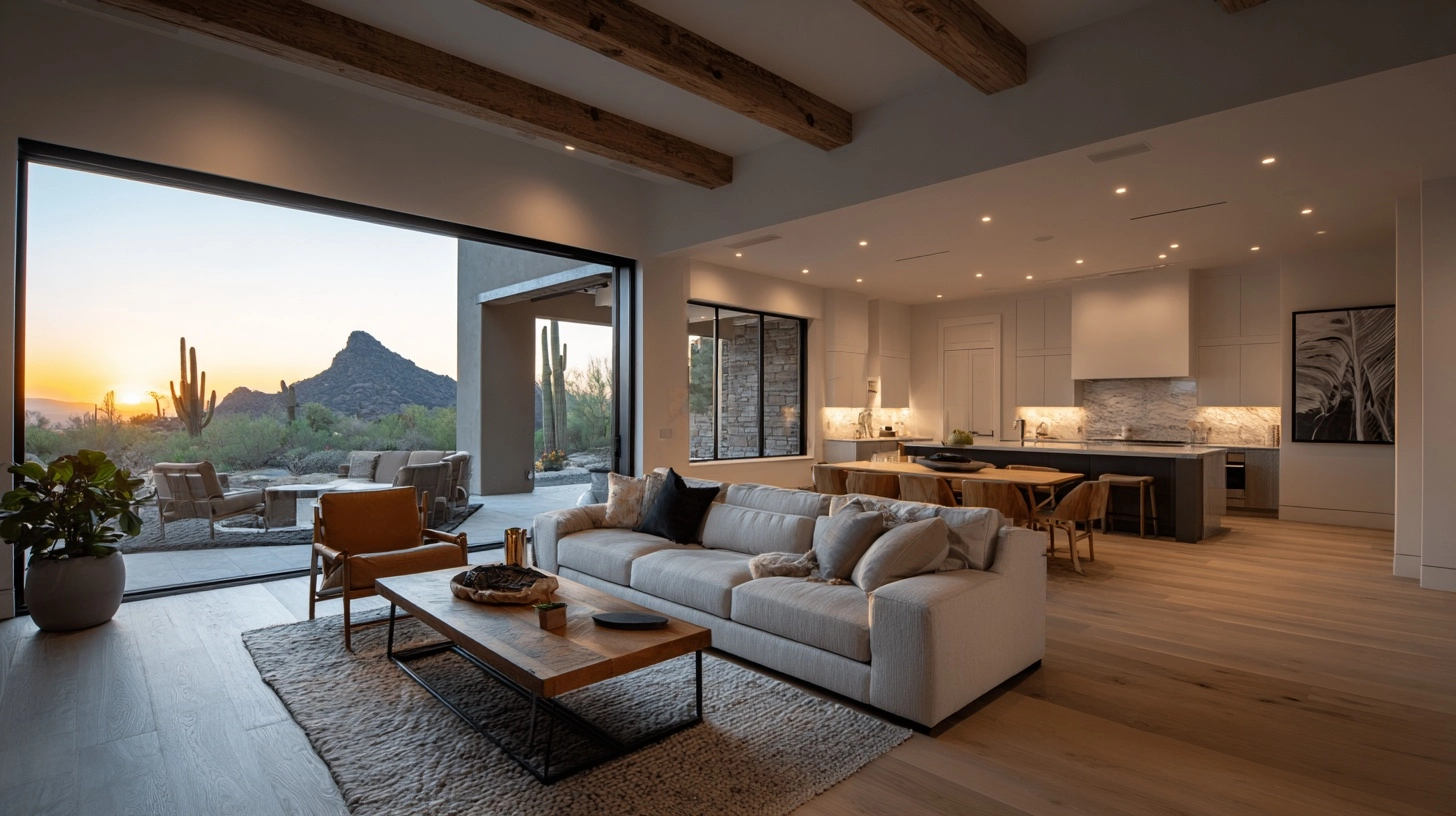
Arizona’s unique landscapes offer year-round potential to blur the line between indoors and outdoors. Designing a wellness-ready home means capitalizing on these vistas for both recreation and psychological benefit.
Start by planning outdoor “rooms”—shaded patios, sunrise decks, or meditation gardens—that provide shelter from the sun while encouraging connection to nature. Choose drought-tolerant plants, native to the Sonoran Desert, to minimize water usage and promote ecological health. These landscaping choices not only support the environment but also contribute to a serene, low-maintenance retreat.
Consider these outdoor integration strategies:
Install operable glass walls or retractable screens to instantly merge living spaces with patios or pool areas.
Incorporate water features, such as fountains or splash pools, to moderate microclimates and introduce calming auditory elements.
Use permeable pavers or decomposed granite pathways to reduce heat buildup and encourage natural water absorption.
By intentionally shaping exterior areas, you transform your home into a cohesive wellness sanctuary—inside and out.
Smart, Sustainable Systems for Ongoing Wellness
The future of wellness-ready homes lies in intelligent systems that anticipate residents’ needs, conserve resources, and streamline daily routines. Today’s integrated home technologies serve both function and comfort, making it easier than ever to live well in the desert.
Adopt smart thermostats and zoning controls to tailor heating and cooling for different spaces, avoiding waste and ensuring personalized comfort. Leak detection devices and water monitoring tools prevent costly damage—crucial in a state where every drop counts.
Sustainability is integral to wellness. Solar panel systems reduce utility bills and environmental impact, while advanced insulation and Energy Star appliances lower operational costs. Even lighting contributes: LED fixtures and daylight sensors adjust to natural rhythms, supporting circadian health and overall well-being.
In sum, a truly wellness-ready home in Arizona results from choices—large and small—that unite function and comfort. With deliberate design, robust construction practices, and an eye toward sustainable innovation, homeowners can create an environment that nourishes both body and spirit, today and for generations to come.
Disclaimer: The content provided in this article is for informational purposes only and is not intended as financial, tax, or investment advice. JL Coates is not a financial advisor, tax consultant, or investment specialist. We recommend consulting with a professional financial advisor, tax specialist, or investment advisor to discuss your specific circumstances before making any financial, tax, or investment decisions based on this information. JL Coates assumes no responsibility for any actions taken based on the information provided in this article.