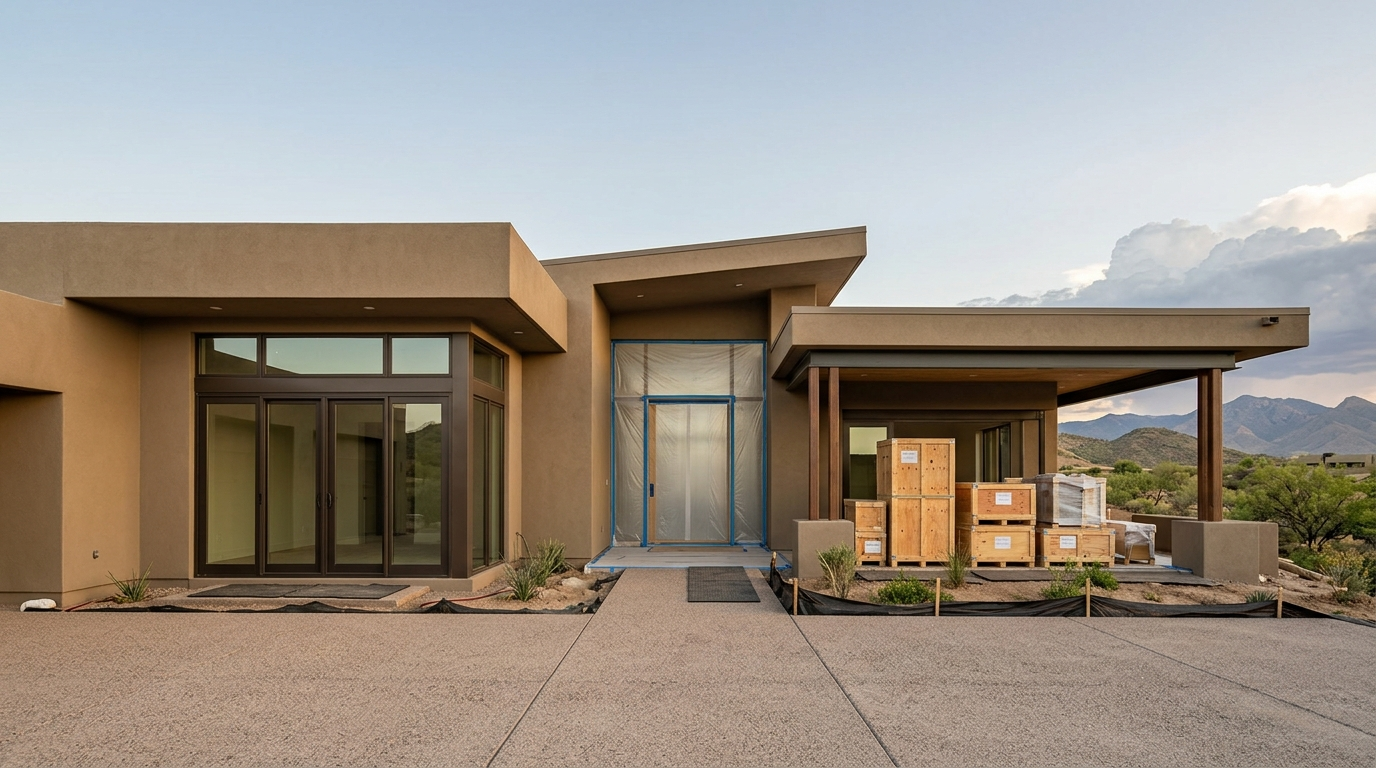

Not so long ago, the open plan reigned supreme—the darling of renovation shows, homemaker dreams, and architectural blueprints on both sides of the Atlantic. Kitchens spilled generously into lounges; dining tables nestled cozily beside family-room sofas; and walls seemed destined for extinction. Yet, as needs and lifestyles have shifted, a compelling countermovement is underway. Homes across America and beyond are rediscovering the beauty and utility of defined zones, balancing openness with structure. This shift is not a mere throwback; it’s a response honed by lived experience and evolving priorities. With a foot rooted in the time-honored craftsmanship of Ireland and a keen eye on America’s fast-paced innovation, let’s explore why homeowners, designers, and builders alike are rediscovering the art of subtle separation.
The Open Plan Era—Promise and Pitfalls
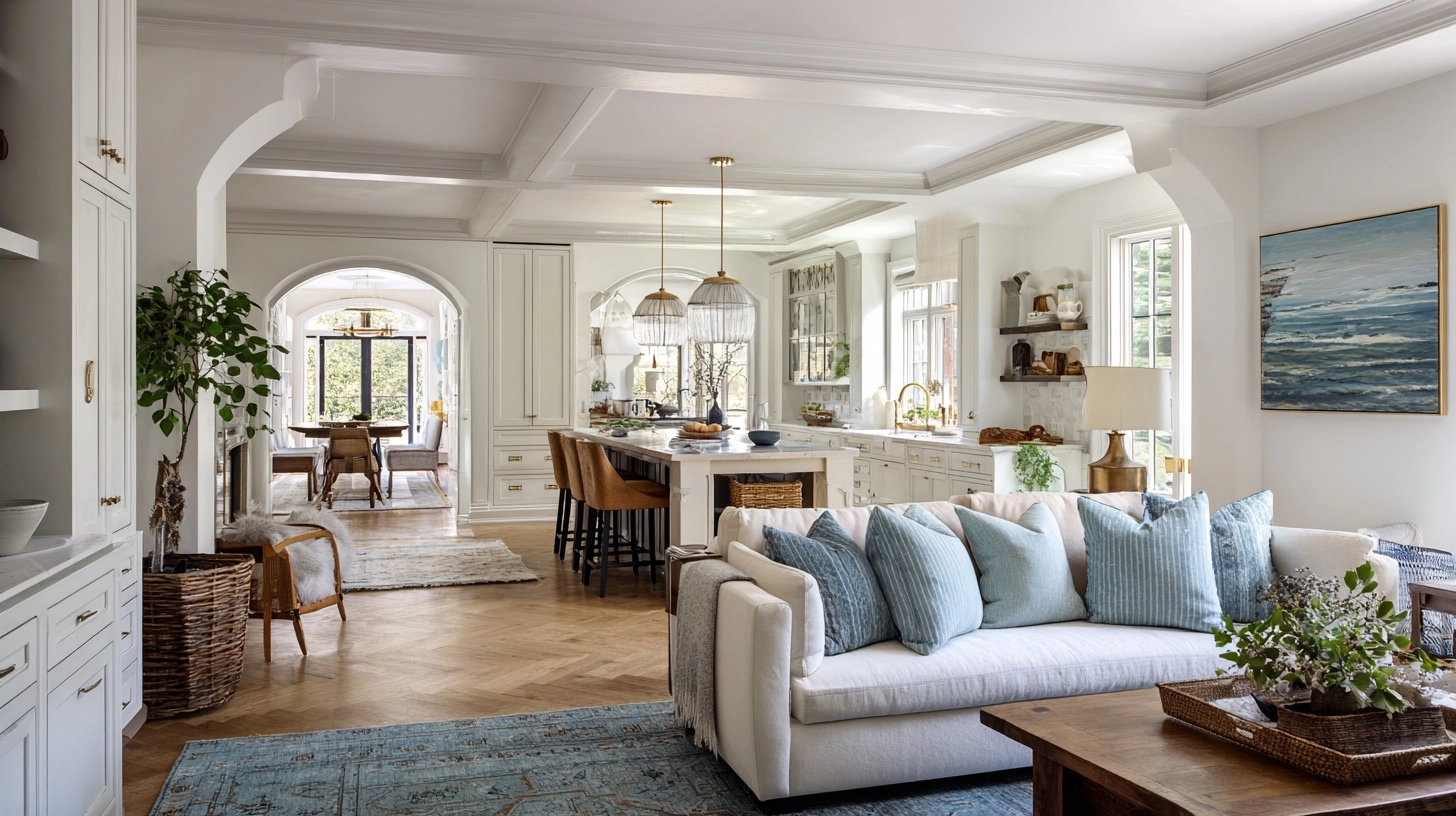
It’s easy to understand the initial allure of open plan living: seamless flow, shared light, and a sense of airy, uninterrupted space. For years, these layouts were the go-to solution for making homes feel larger and more connected, an antidote to the compartmentalized houses of previous generations. When executed thoughtfully, open plans foster togetherness, encouraging social cooking, communal dining, and free movement across the heart of the home.
But, as many of us have discovered, such openness comes at a cost. What began as a remedy for isolation soon revealed its own drawbacks. Sounds travel freely, often with more gusto than desired; the whirr of a blender or the shriek of a kettle becomes part of every conversation or conference call. There’s little respite for those needing quiet—whether for work, reading, or reflection. The dream of “unbroken sightlines” sometimes yields a new set of compromises: Where do you retreat when you need privacy? How do you contain clutter or cooking aromas? The answer, as we’re seeing in newly built and renovated homes across the country, is a design renaissance focused on redefining boundaries without sacrificing light or flow.
A Return to Purpose—Functionality Drives Form
Surprisingly, the return to defined zones isn’t just a nostalgic nod to the past—it’s a progression borne of modern life. Today’s homeowners are raising families, hosting guests, and increasingly working remotely. These roles demand environments that support both community and concentration. As boundaries blurred during the shift to work-from-home, the limitations of wide-open spaces became glaringly apparent. The need for acoustic privacy, focused work areas, and manageable messes reignited interest in rooms-within-rooms.
This evolution doesn’t mean reverting to the rigidly walled-off boxes of yesteryear. Instead, we’re seeing inventive solutions that strike a balance. Think: glass partitions, sliding barn doors, and double-sided bookcases that delineate space while maintaining a visual connection. Different materials and ceiling treatments demarcate zones with subtlety and style. Even changes in floor level or lighting anchor defined areas without full walls. This approach preserves the best facets of open plan living—space, daylight, and flexible movement—while bringing back the functional versatility that only defined spaces offer.
Cultural Influences—Blending Tradition and Modernity
Every architectural trend carries the DNA of its cultural origins, and the newest approach to zoning is no exception. Irish homes have long exemplified the careful choreography of space, where thick stone walls provide cozy corners sheltered from wild Atlantic weather. The American penchant for innovation and adaptability, meanwhile, has prized openness, versatility, and communal life. Reconciling these two philosophies is at the heart of today’s reinvention of space.
Across the US, many are rediscovering older design wisdom—the value of a snug study, a defined dining room, or a kitchen that keeps culinary chaos out of sight. Yet, these spaces are reimagined, not recreated wholesale. The rich timbers, textured textiles, and layered lighting schemes of Irish tradition now merge with flexible partitions, outdoor-indoor flow, and multipurpose rooms emblematic of American living. The result is an environment that feels personal and adaptable—a home that evolves as its inhabitants’ lives do.
Design and Construction—Building for the Best of Both Worlds
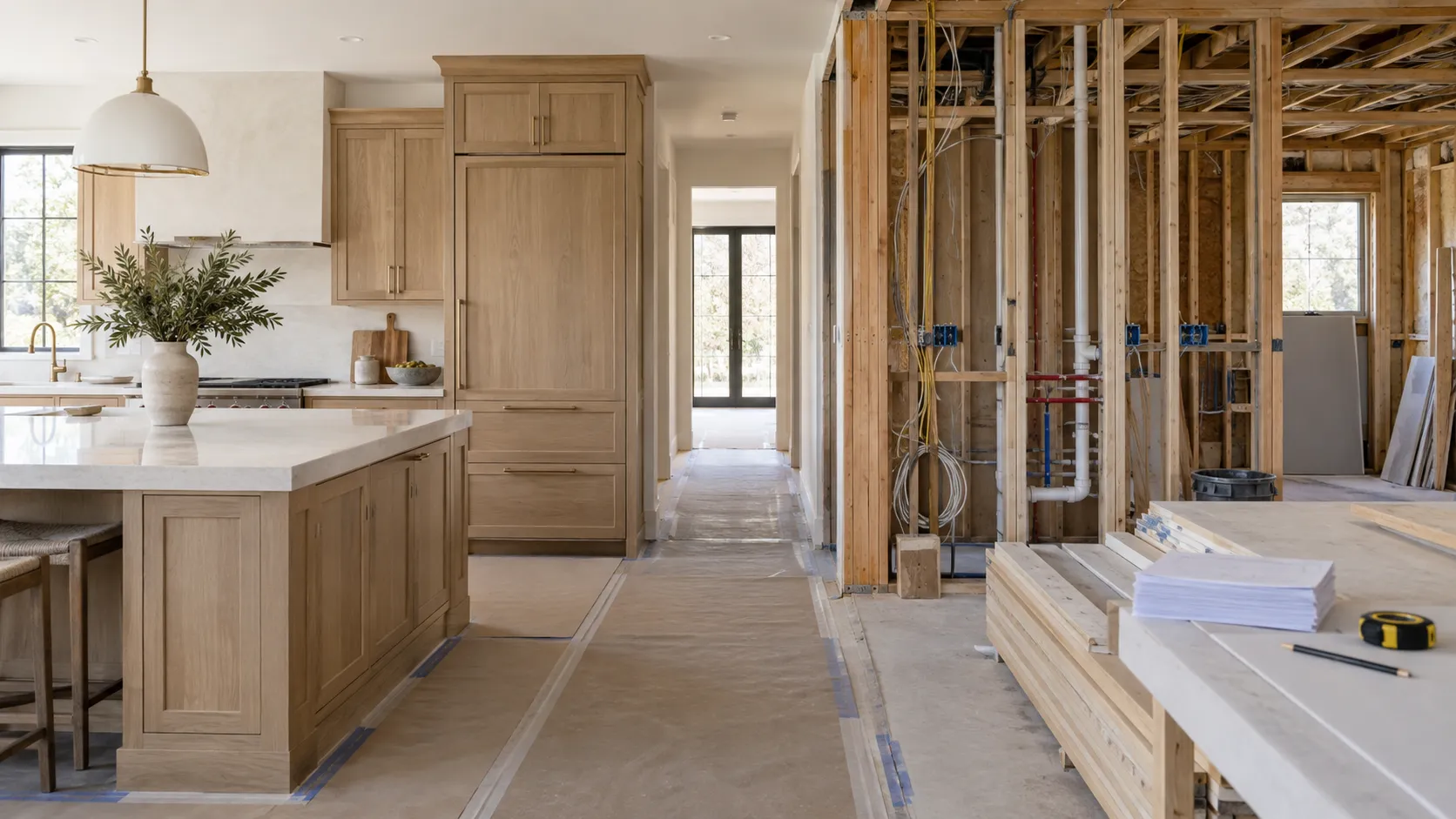
From a construction perspective, integrating defined zones within an open footprint demands both strategic foresight and skilled craftsmanship. It begins with a deep understanding of how clients live, work, and relax—using this knowledge as the foundation for spatial planning. The process typically involves collaborative visioning, rigorous site assessments, and innovation in both materials and methods. Pre-fabricated partitions, sound-dampening features, and custom millwork can transform a single large room into a constellation of purposeful zones.
Thoughtful sitelines ensure that natural light permeates every area, while ventilation systems and soundproofing maintain comfort and tranquility. Modular furnishings and movable walls allow spaces to expand or contract as needed, making homes future-proof. The construction phase is where design intention meets reality; every detail—from the placement of electrical outlets for home offices to the acoustics of semi-private nooks—must be meticulously planned and executed. That blend of creative vision and hands-on precision is what makes these homes not just beautiful, but genuinely livable.
Future Living—Embracing Flexibility and Human-Centered Design
As we look to the future of residential design, the move towards separated yet interconnected zones is less a trend than a thoughtful response to genuine human needs. Homeowners are seeking environments that adapt gracefully to the rhythms of daily life—spaces that offer both togetherness and retreat, openness and enclosure. It’s an approach that champions flexibility, well-being, and a more sustainable relationship with our homes.
Smart technology, modular construction techniques, and an ever-expanding palette of materials give both architects and clients new tools to shape the flow of space. Yet, the heart of this evolution lies beyond gadgets and gadgets—it’s about fostering a sense of place, belonging, and comfort. Whether through a cozy reading nook, a discreet home office, or an elegantly partitioned dining area, the modern home is returning to its roots: providing sanctuary, connection, and inspiration.
For those shaping or reshaping their living environments—designers, builders, or discerning homeowners alike—the message is clear. True innovation rests not in stripping away boundaries, but in redefining them with intention, artistry, and respect for the people who call these spaces home.
Disclaimer: The content provided in this article is for informational purposes only and is not intended as financial, tax, or investment advice. JL Coates is not a financial advisor, tax consultant, or investment specialist. We recommend consulting with a professional financial advisor, tax specialist, or investment advisor to discuss your specific circumstances before making any financial, tax, or investment decisions based on this information. JL Coates assumes no responsibility for any actions taken based on the information provided in this article.