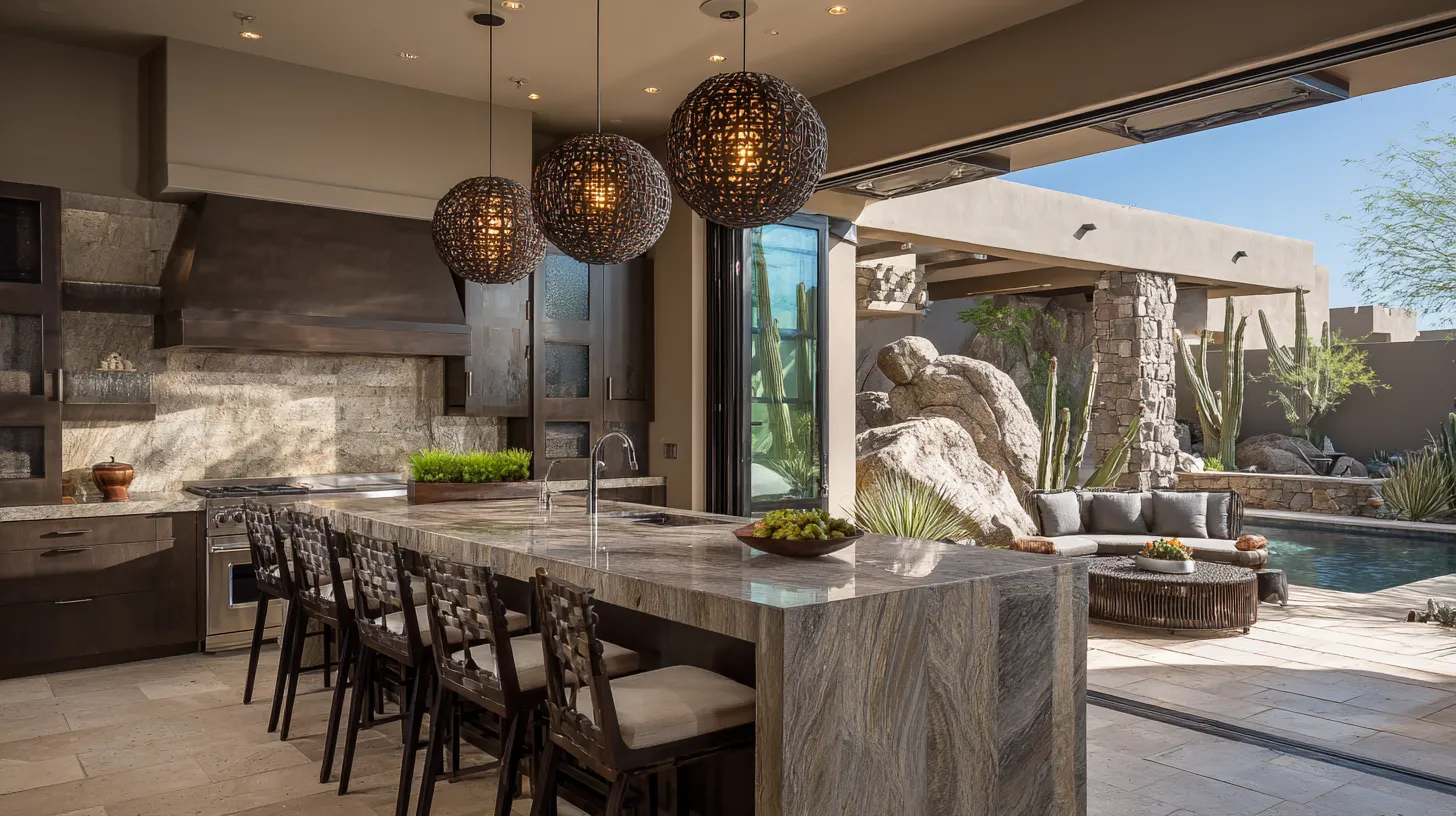
An interior designer plans and specifies interior spaces so they function well, look cohesive, and can be built or installed with fewer surprises. The job blends space planning, technical documentation, material and finish selection, lighting and furniture decisions, and project coordination. While the role often includes aesthetics, the value typically comes from making clear decisions early and translating them into instructions that contractors and vendors can execute.
Core role versus decorating
Decorating focuses primarily on visual styling such as color palettes, furniture, art, and accessories. Interior design can include those elements, but it usually goes further into planning how a space works and producing documents that guide construction and purchasing. Depending on the project and local rules, interior designers may address layouts, clearances, lighting intent, finish durability, and how different components align and fit. For projects involving structural changes, major mechanical changes, or complex permitting, additional licensed professionals may still be required.
Space planning and concept development
Early work often includes measuring existing conditions, identifying constraints, and clarifying goals such as storage needs, traffic flow, privacy, accessibility, and maintenance. Designers then develop concepts that organize rooms and define a cohesive direction for materials, colors, and key features. Practical decision-making happens here: selecting the right layout, balancing budget against priorities, and anticipating lead times and installation requirements so the design can be delivered on schedule.
Specifications and technical documentation
A major deliverable is a set of clear instructions for building and purchasing. This can include floor plans, reflected ceiling plans, elevations, cabinetry drawings, finish schedules, lighting layouts, and written specifications. These documents reduce ambiguity by defining dimensions, locations, material transitions, and key product requirements. The level of detail varies by project, but the goal is consistent: fewer change orders, fewer on-site conflicts, and more predictable results.
Selections procurement and coordination
Designers typically help select and specify finishes, fixtures, furniture, and equipment with attention to performance, maintenance, and code-related considerations. Many also support procurement by preparing purchase lists, reviewing samples, tracking approvals, and coordinating deliveries. During construction or installation, the designer may answer contractor questions, review submittals or shop drawings, and conduct site visits to confirm that the work aligns with the intent and to catch issues before they become expensive.
How to engage one and what to expect
Service models commonly include full service design, design only documentation, or targeted consultations for specific decisions. Fees may be hourly, a fixed design fee, or a combination, with purchasing handled separately. Clear scope is essential: define which rooms are included, whether drawings are required, who orders items, how revisions are handled, and what happens if budget or timing changes. The most productive relationships begin with a realistic budget, decision-making timelines, and an agreement on how approvals will be documented.
Disclaimer: The content provided in this article is for informational purposes only and is not intended as financial, tax, or investment advice. JL Coates is not a financial advisor, tax consultant, or investment specialist. We recommend consulting with a professional financial advisor, tax specialist, or investment advisor to discuss your specific circumstances before making any financial, tax, or investment decisions based on this information. JL Coates assumes no responsibility for any actions taken based on the information provided in this article.